Is Voice-Preserving AI Worth It? A Decision Guide for DIY Prompts, Ghostwriters, and Automation
Voice-preserving AI is worth it when content is an authority system (not a weekend project), approvals can happen weekly (not daily), and the cost of inconsistency is higher than the cost of tooling. It is not worth it when every line needs same-day review, the brand voice is still forming, or compliance requires legal vetting post-by-post.
The mistake is treating this like a tools debate, AI vs human. The real decision is simpler and more uncomfortable: what effort budget is available, and what authority risk is acceptable.
The Real Choice Isn’t “AI vs Human.” It’s Effort Budget vs Authority Risk.
Most experts do not lose online because they lack ideas. They lose because execution taxes attention until content becomes optional, then invisible. The gap is rarely creativity, it is throughput.
“Voice-preserving” is not a poetic promise. It is operational. It means a consistent point of view, recognizable vocabulary, recurring examples, and clear boundaries (what will not be said, what will not be claimed, what topics need extra care). If a system cannot reproduce those elements reliably, it is not preserving a voice, it is remixing one.
Three paths dominate this choice. DIY prompting gives control but demands time. Ghostwriters and agencies can raise polish, but they create coordination gravity. Voice-preserving automation aims to turn the expert’s thinking into a repeatable engine, with a workflow that can survive a busy week.
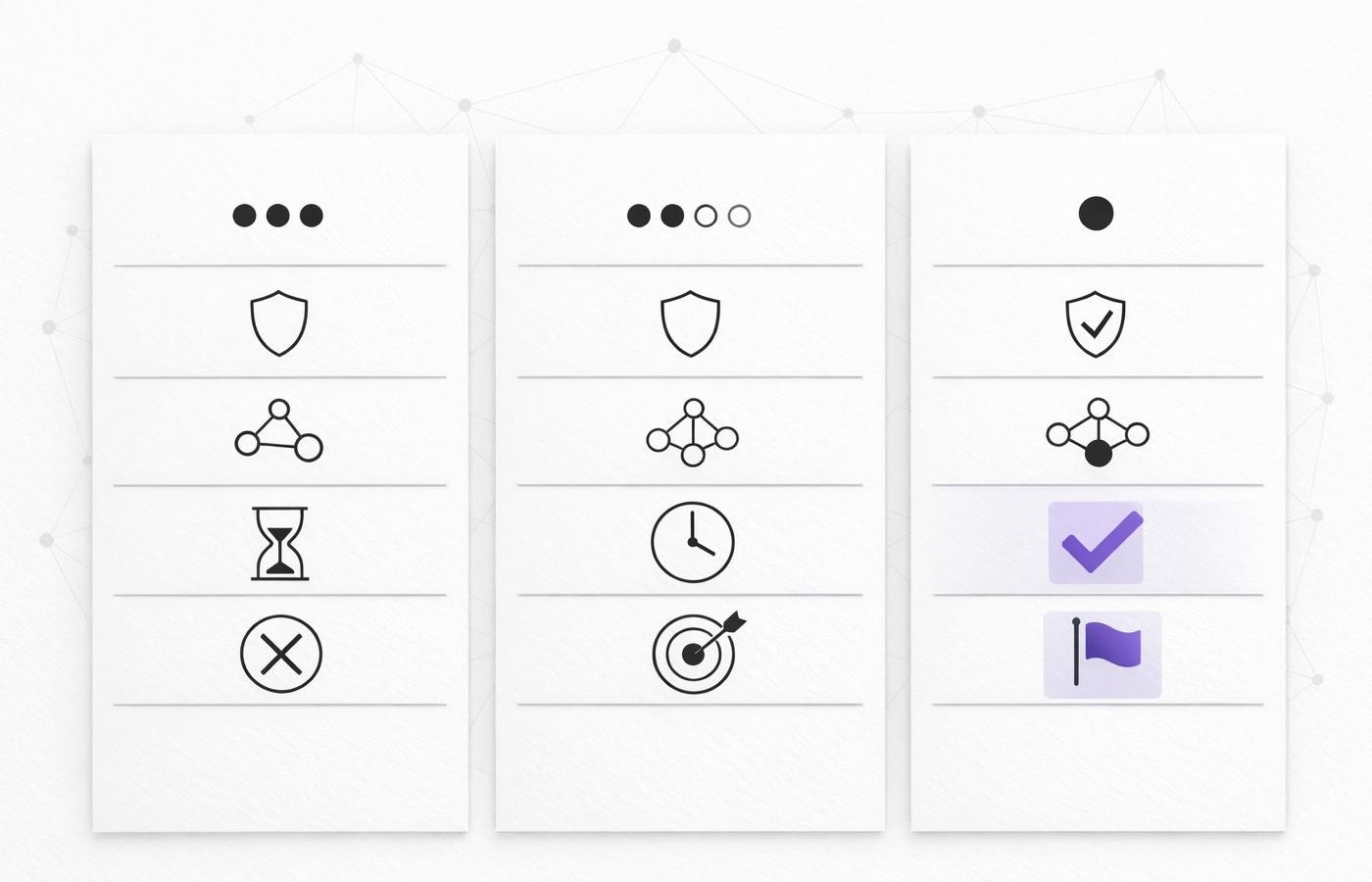
The only criteria that matters is the one that keeps showing up in real calendars: (1) time and attention cost, (2) voice fidelity, (3) strategic coherence (ideas that ladder and interlink), (4) credibility and compliance risk, and (5) compounding value (assets that keep working after the post ships).
A practical benchmark helps cut through marketing claims. Inkflare is built around a low-friction model, roughly 10 minutes per week for review and approval, designed for time-strapped authority builders who want consistency without living in drafts. That same benchmark also clarifies who should not automate yet: any brand that requires heavy daily approvals or has high-stakes regulated communications without mature governance.
Option 1, DIY Prompting: Maximum Control, Minimum Leverage
DIY prompting looks efficient because the output appears fast. The real workload is everything surrounding the prompt: iteration, editing, fact-checking, formatting, and distribution. The tool writes words, the expert still runs the factory.
This path shines in a few specific seasons. Early on, it can help shape positioning, because the friction forces clarity. It is also useful when the subject matter is delicate, highly technical, or still being actively developed, because the authorial brain needs to stay close to every claim. And for experts who enjoy writing, DIY can be the craft.
The hidden tax is structural. Without a reusable system, every post becomes a one-off project, which means no backlog, no reliable cadence, and no strategic linking between ideas. That is where voice drift sneaks in, not because the expert changed, but because the work is squeezed into spare minutes and the writing becomes generic under pressure.
A clean rule holds: DIY is viable when there is a real weekly writing block and the iteration process is energizing. It is a liability when content needs to run in the background, because manual prompting does not compound, it restarts.
Option 2, Ghostwriter or Agency: Buying Output, Renting Interpretation
Ghostwriting is often purchased to “save time.” In practice, it trades writing time for coordination time, and the bill is paid in context.
The quality of a ghostwriter is constrained by three things: access to the expert’s thinking, the quality of briefing, and approval velocity. When those are strong, the results can be excellent. A skilled writer can extract a thesis from a messy conversation, add narrative shape, and keep a long-form piece readable. For high-stakes launches, positioning shifts, or thought leadership that needs editorial judgment, humans still do something machines do not, they feel what the reader will misunderstand.
The risk is quieter. The more the writer fills in gaps, the more the content can drift from “this is how the expert thinks” into “this is what sounds like a smart person.” It becomes polished but hollow. And the approval trap is real: if approvals happen daily, content turns into another job; if approvals happen slowly, momentum dies and the agency quietly fills the calendar with generic ideas to stay busy.
Ghostwriting fits leaders who can commit to regular interviews and decisive approvals. It is a poor fit for teams that want content without meetings, because “no meetings” often means “no shared mind,” and voice is mostly shared mind.
Option 3, Voice-Preserving AI Automation: The 10-Minute Review Test
Voice-preserving automation is not “AI writing.” It is governance plus memory plus strategy, packaged into a workflow that can survive real life.
There are three levels that get confused. Level one is generic AI content, fast, fluent, forgettable. Level two is templated workflows, which can increase consistency but still depend on constant instruction. Level three is voice-learning systems that capture how an expert thinks, then use that to generate drafts that match the expert’s stance, structure, and boundaries.
If a system cannot produce publish-ready drafts with minimal edits, it is not automation, it is DIY with extra steps. That is where the 10-minute review test matters. A real voice-preserving system should let an expert skim, correct, approve, and move on. When the weekly review becomes a rewrite session, the promise collapses.
The strongest way to evaluate “voice-preserving” is to look beyond style and into decisions. Does the content use the same terms the expert uses, or synonyms that sound close but change meaning? Does it reach for the same examples, or does it default to generic business fables? Does it express the same disagreement with the market, or does it sand down edges to avoid saying anything specific?
Strategic coherence is the second test. Authority rarely comes from isolated posts. It comes from ideas that connect, posts that reference each other, themes that repeat until they become associated with the brand. A voice-preserving engine should not only create content, it should create a content ecosystem where topics ladder upward and interlink across channels.
Workflow reality is the third test. Who does the final pass? How many approvals per week are required? What happens during a travel week, a launch week, a crisis week? The goal is not perfect output, it is resilient output.
Inkflare is useful here as a benchmark, because it sets the bar where it should be for authority builders, minimal weekly review and approval time, with a system designed to build durable discoverability rather than spray posts for vanity metrics. It is also honest about its boundary: it is not built for brands that need heavy daily approvals, because that approval model breaks the compounding effect.
Credibility and Compliance Guardrails (and the Final Call: Now vs Later vs Never)
The biggest fear around automation is not that it will write badly. It is that it will write confidently, and confidence is what makes a mistake expensive.
Credibility starts with accuracy discipline. Whatever path is chosen, there must be a fact-check step, a source standard, and an escalation rule for uncertainty (if a claim cannot be verified quickly, it gets removed or softened). This is especially important for health, finance, legal, and safety-adjacent topics where the cost of a wrong sentence is not a comment thread, it is a reputational wound.
Compliance is context-sensitive. Disclosure expectations vary by platform, jurisdiction, and the nature of the claim. Endorsements and testimonials bring additional scrutiny, including FTC-style considerations in many markets. The responsible stance is simple: treat compliance as a system requirement, and consult qualified legal counsel when specific obligations apply.
Authenticity is not “handwritten content.” Authenticity is accountability. Some elements should stay human regardless of tool choice: final responsibility for claims, sensitive judgments, and lived-experience framing (what was actually done, what was observed, what outcomes can be responsibly implied). Automation can draft, but it cannot own.
Governance makes the whole thing safe enough to scale. That means clear approval gates, an audit trail (so it is known what went out and why), and a kill switch. When a brand’s messaging changes or a crisis hits, automation should pause immediately.
With guardrails in place, the decision becomes clean. Do it now if expertise is clear, visibility is inconsistent, approvals can happen weekly, and the goal is a system, not a campaign. Do it later if the voice and positioning are still forming, approvals are daily, or governance is immature. Never do it if every post must be legally vetted line-by-line, the brand cannot tolerate iteration risk, or the organization refuses to own final accountability.
Durable authority is a system, not a mood. The right path is the one that can keep publishing without stealing the week. If the calendar cannot support the workflow, the strategy will not survive, no matter how good the writing looks on day one.