Voice Consistency Is a Trust Protocol in the Era of AI Overviews
Voice Consistency Isn’t Branding—It’s a Trust Protocol (Especially in AI Overviews)
Voice consistency isn’t a style choice. It’s a trust protocol: a repeatable signal that lowers perceived risk when people encounter you in different places.
And in the era of AI Overviews, “different places” is the whole point. Someone might meet you through a LinkedIn post, a podcast clip, a blog result, and then an AI summary that compresses your thinking into five lines. In that moment, they’re not evaluating your vibe. They’re running a trust check: Is this the same credible authority everywhere I see them?
The new reality is simple: more distribution surfaces + more content volume = more opportunities for voice drift. Drift rarely looks dramatic. It’s small shifts in phrasing, confidence, and promises—until your work feels inconsistent even when it’s excellent.
Inkflare puts it plainly: “If your voice is your brand, then consistency is your credibility.” That’s not a branding slogan. It’s infrastructure. For coaches, founders, and consultants without a marketing team, inconsistency becomes a silent trust leak that prevents authority from compounding.
The Common Belief: Voice Is a Style Choice (So Consistency Feels Optional)
Most experts treat voice like “brand polish,” so it gets pushed to later.
Voice gets filed next to logos, colors, and a few adjectives: clear, warm, bold, human. Good intentions—but vague rules don’t survive real publishing pressure. When you’re busy serving clients and shipping offers, the default becomes: post when you can, outsource when you must, and let AI fill the gaps.
That belief creates predictable drift:
- You’re sharp and contrarian on LinkedIn, then cautious and corporate on your blog.
- You’re intimate and reflective on Instagram, then “SEO robotic” on your website.
- You publish AI-assisted pieces that sound clean—but also unclaimed, like no real person would defend those sentences in front of peers.
None of this happens because you’re careless. It happens because the system is patchwork: a freelancer here, a prompt there, a burst of posts followed by silence. The old playbook was built for single-channel attention. Today, you’re judged across many surfaces, often out of order, often summarized.
What Most People Get Wrong
Most people think the fix is “sound more authentic.” Wrong problem.
The issue isn’t whether you feel personal enough—it’s whether the audience can recognize the same authority twice.
And here’s the trap: people assume they must choose between being authentic or being consistent. That’s a false binary. Consistency is how authenticity becomes legible at scale. Without it, your reader has to rebuild context every time they meet you—and most won’t. They’ll hesitate, compare, and move on.
Reality: Inconsistent Voice Reads as Inconsistent Truth (How Trust Leaks Happen)
Audiences don’t separate “voice” from “credibility.” When your phrasing, priorities, and claims keep changing, it doesn’t register as range—it registers as unreliability.
Yes, formats differ: a blog post can be more developed than a tweet. But when your stance changes depending on the platform, it triggers a quiet alarm: Which version is real? Are you premium or scrappy? Strategic or hype-driven? Grounded—or just loud this week?
There’s also a subtler failure mode: you get so rigid about “brand voice” that everything sounds embalmed. Same phrases. Same cadence. Same sterile confidence. That isn’t consistency; it’s a mannequin wearing your positioning.
AI Overviews sharpen this because they compress context and amplify contradictions. When your work is summarized, remixed, and compared, systems reward clear, repeatable positioning. If one page says “ignore hacks, build depth,” and another sells “viral frameworks,” the summary can’t resolve the conflict. Nuance gets flattened; what remains is mush.
A useful metaphor: voice consistency works like a trust checksum. In software, a checksum verifies that something wasn’t corrupted in transit. In content, consistency verifies identity across touchpoints—social, search, site, and AI summaries.
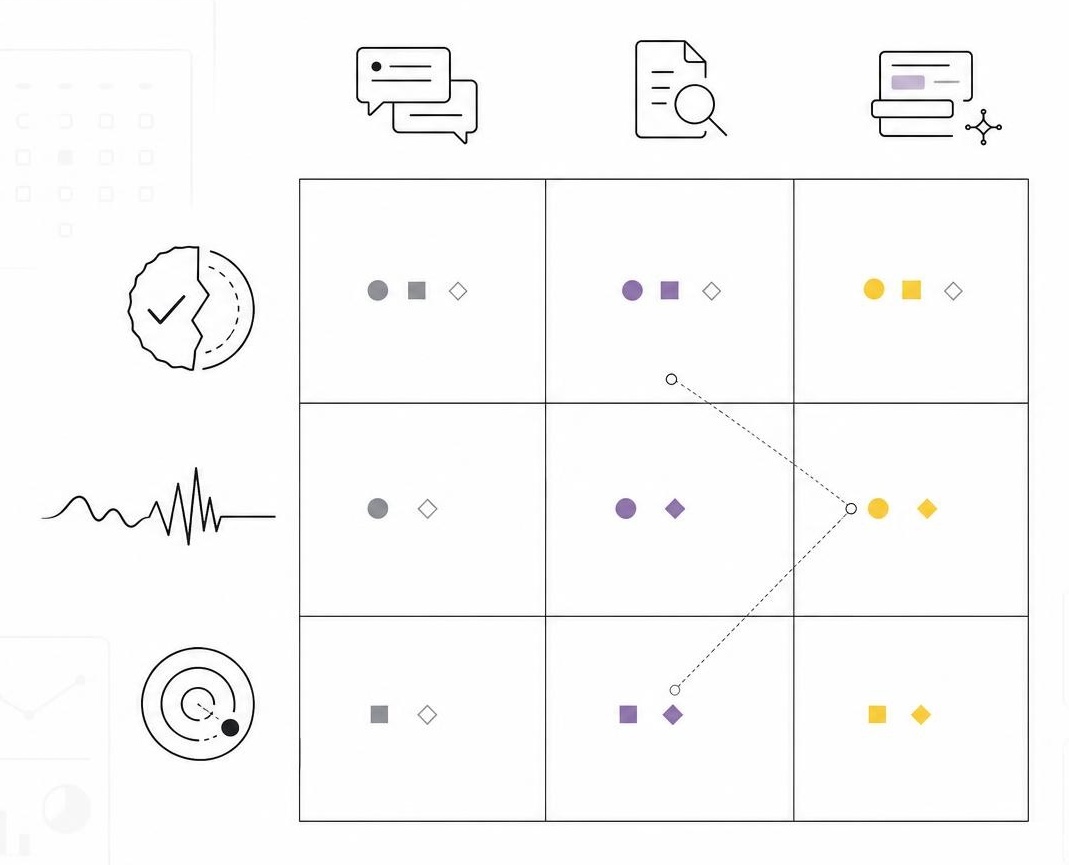
Most trust leaks show up as three distinct drifts:
- Claim drift: what you believe changes (organic authority one week, growth hacks the next).
- Tone drift: your posture swings (calm expert → urgency machine → cautious committee voice).
- Value drift: who it’s for and what outcome you promise keeps moving (leads vs followers vs “impact,” depending on the channel).
Each drift forces the reader to recalibrate. Recalibration is friction. And friction is the enemy of compounding: every touchpoint resets the relationship instead of strengthening it.
The Better Mental Model: AI as Memory, Not Mimicry
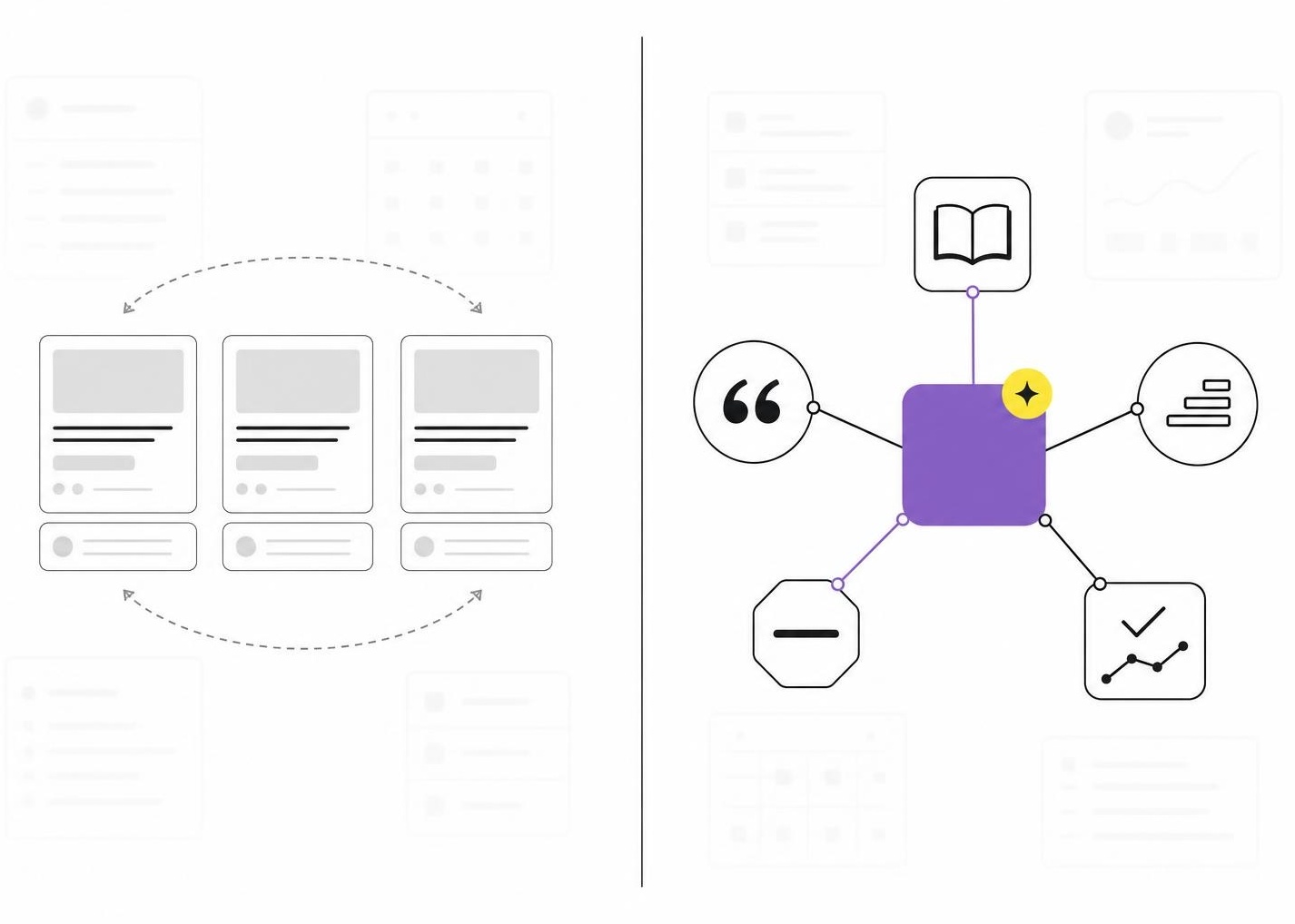
The goal isn’t to get AI to sound like you. The goal is to get AI to remember what makes you true—so your output stays consistent without becoming generic.
“That’s not AI as mimicry. That’s AI as memory.”
Mimicry copies the surface: sentence length, tone, a few catchphrases. It produces “pretty” content that feels correct until someone who knows your work reads it and thinks, Close… but not me.
Memory preserves the substance: your beliefs, boundaries, examples, proof standards, and the nuance behind your claims. It doesn’t ask AI to cosplay your personality. It gives AI a durable reference for what you stand for, so content stays recognizably yours across formats—short posts, long essays, landing pages, and yes, AI summaries.
Archetypes help make the distinction fast:
- Sage (dominant): precision, clarity, truth-testing, strong definitions.
- Magician (supporting): amplification, transformation, making expertise travel farther than your calendar allows.
- Shadow to avoid: polished sameness—when AI smooths away your edges and you become interchangeable with every other “thought leader” using the same templates.
If you want AI to support authority (not just output), encode a few “memory objects”:
- Point-of-view library: repeatable convictions, not just topic lists.
- Signature terms + banned phrases: what you say on purpose vs what you refuse to say.
- Claim ladders: core claims → supporting points → specific examples (so arguments don’t collapse into slogans).
- Red lines: what you won’t promise, even if it sells.
- Proof patterns: how you demonstrate credibility (case logic, frameworks, data, decisions, tradeoffs).
Skip these and AI becomes a volume machine with a trust problem. Build them and AI becomes a continuity engine—consistent authority across channels without the content-factory lifestyle.
The Voice Consistency Protocol: A Simple Operating System for Authority That Compounds
You don’t need a 40-page brand book. You need a lightweight operating system you can actually enforce.
- Write a one-sentence positioning statement: who you help, what you solve, the outcome you create.
- Pick 3 non-negotiable beliefs you’ll reinforce all year—your spine.
- Create a signature vocabulary list: preferred phrases, banned phrases, and terms that require precise definitions.
- Build a reusable example bank: objections, before/after moments, decisions, mistakes you’ve seen. Specificity prevents genericness.
- Set one source of truth for claims, offers, and positioning—so you don’t contradict yourself across channels.
- Run a monthly voice audit on your highest-value pages/posts: scan for claim drift, tone drift, and value drift.
- Iterate based on what people repeat back (“I love how you said…” / “I came for…”). Echo is signal.
Inkflare exists to make this level of consistency achievable across social, blogs, search, and AI-driven discovery surfaces—so your credibility compounds even when time is limited.
Voice isn’t decoration. It’s verification. The real question isn’t whether you have a voice—it’s whether that voice is steadily building trust, or quietly leaking it while everyone celebrates another published post.