Self-Kindness Is the Productivity Upgrade High Achievers Keep Missing
The real productivity upgrade isn’t a harsher inner voice. It’s the ability to stay steady, honest, and constructive when something goes wrong. Self-kindness isn’t softness in the “anything goes” sense. It’s the discipline of refusing to waste energy on shame when that same energy could be used for repair, learning, and the next right action.
That’s the clean truth at the heart of Thriving! by Rand Selig: “Getting down on yourself won’t help you get where you want to go.” It sounds obvious until a deadline is missed, something merely “fine” ships, or a tough conversation starts replaying on loop and self-criticism pretends to be leadership.
It walks in wearing a blazer. It calls itself standards.
What Most People Get Wrong About Harsh Self-Talk
Most high achievers aren’t trying to be cruel to themselves. They’re trying to stay in motion. The logic is usually: pressure created performance once, so more pressure must create more performance. The voice gets sharper, the bar gets tighter, and rest starts to feel suspicious.
For a while, fear can work. It can push someone through a late night, a messy project, or a difficult season. The trouble is what fear demands in return: it gets compliance, not commitment. It may produce output, but it also narrows thinking, drains the nervous system, and makes improvement feel heavier than it needs to be.
This is where intensity gets confused with effectiveness. A person can move fast while leaking energy through shame, resentment, and self-protection. A full calendar can hide a shrinking ability to think clearly, recover well, and treat people decently under pressure.
Self-kindness changes the operating system. It says: tell the truth, but don’t turn the truth into a weapon. Missed the mark? Name it. Learn from it. Repair what needs repair. Then continue without dragging humiliation into the next task.
Ignore this and the cost isn’t just emotional. It’s time. Rumination turns one mistake into a lost afternoon. Shame makes feedback harder to hear. The next attempt becomes heavier than it needs to be, so more force is required to do the same work. Self-kindness offers a steadier way back.
Positivity Is Not Denial, It Is Stewardship of Attention
Positivity gets dismissed when it’s confused with pretending. Real positivity doesn’t deny the difficult meeting, the disappointing metric, the awkward conversation, or the fact that a plan failed. It simply refuses to hand the steering wheel to panic.
A positive person can say, “This isn’t working,” without adding, “and therefore everything is doomed.” That distinction matters because attention is one of the most valuable resources you have. Put it on blame and the body tightens. Put it on learning and the mind starts looking for options.
Two inner skills have to work together:
- Warmth keeps worth intact during learning.
- Clarity asks what happened, what mattered, and what changes now.
Warmth without clarity becomes avoidance. Clarity without warmth becomes cold analysis that still leaves a person afraid of imperfection.
Of course, positivity can turn glossy. “Good vibes” can be used to bypass grief, skip accountability, or silence someone else’s pain. That isn’t stewardship. It’s evasion in cheerful clothing.
Real positivity has backbone. It protects energy so it can be spent on what helps: the next useful move, the next honest conversation, the next repair. For anyone building better boundaries and recovery rhythms, this connects naturally with a weekly burnout prevention playbook for better boundaries and real renewal, because renewal isn’t a prize earned after finishing everything. It’s part of how steady effort becomes sustainable.
Mistakes Become Lessons Only When Shame Stops Running the Meeting
Everyone says mistakes are learning opportunities. Fewer people create the internal conditions that make learning possible. When shame enters the room, the mind tends to do one of three things: hide, defend, or collapse. None of those states are good at extracting wisdom.
Self-kindness creates enough safety to look directly at what happened, with precision. Not “I’m the worst.” Not “It’s fine.” But specifics: the email was rushed, the tone was sharp, the prep was thin, the promise was bigger than the time available. That kind of honesty isn’t self-attack. It’s usable data.
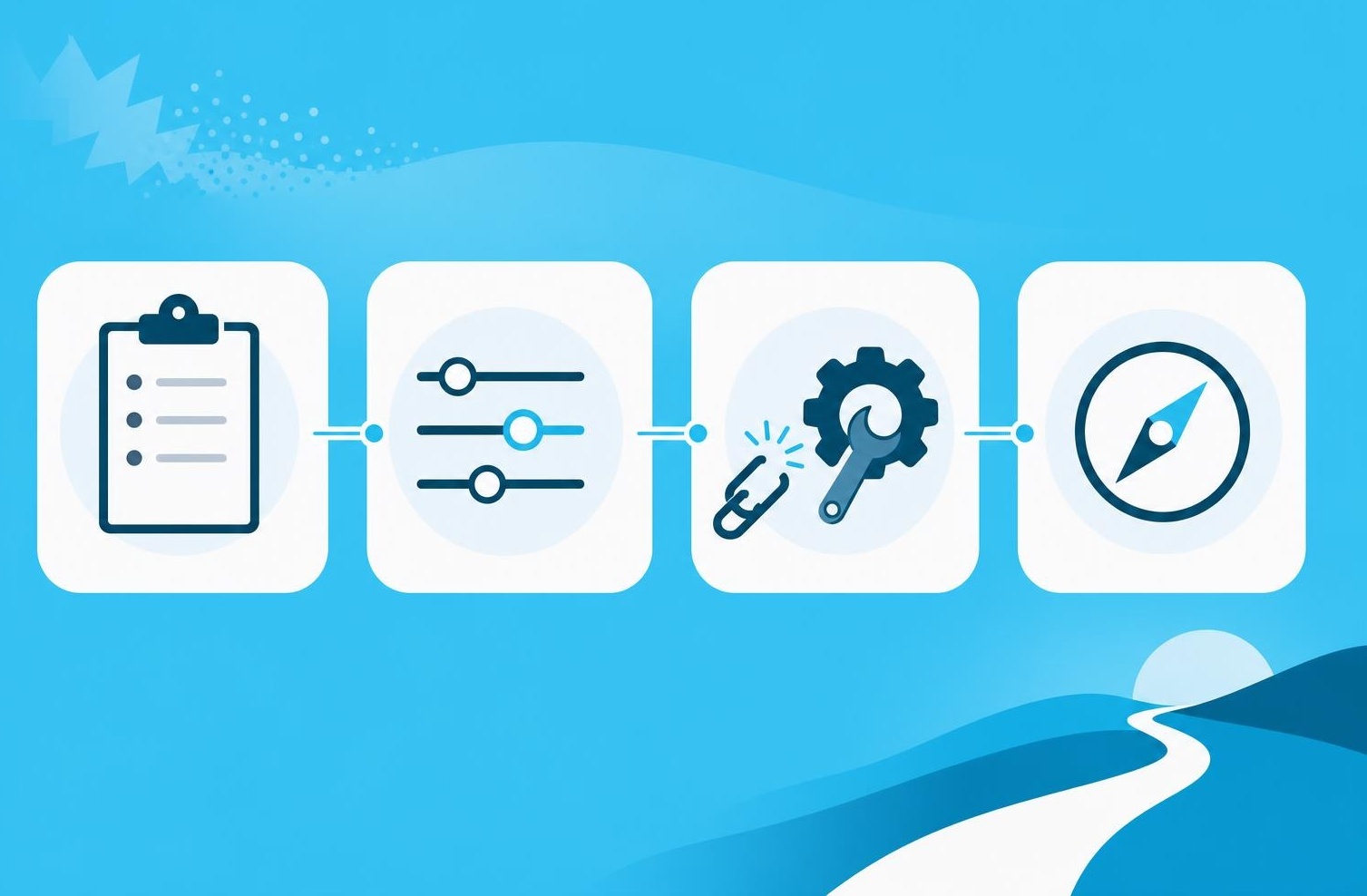
A practical reset after a mistake:
- What happened (facts only)?
- What was controllable?
- What needs repair (people, process, expectations)?
- What will change next time (one concrete action)?
This sequence prevents one event from becoming an identity. It also protects relationships. Someone who can own a mistake without drowning in shame is easier to trust: they apologize faster, listen better, and don’t require others to manage their emotional crash before the actual problem can be solved.
The inner critic often argues, “If this isn’t punished, it will be repeated.” But punishment doesn’t guarantee growth. Often it teaches concealment: hide errors, avoid risks, and spend more energy looking competent than becoming competent.
Self-kindness doesn’t lower the bar. It makes the bar reachable without breaking the person trying to clear it.
The Way You Treat Yourself Leaks Into Every Relationship
The tone you use internally rarely stays private. A harsh inner world spills outward, especially under stress. It can show up as impatience with a partner, brittleness with a colleague, or quiet competitiveness with a friend who’s simply having a good day.
Sometimes the spillover is subtler: withdrawing instead of clarifying, perfecting instead of connecting, refusing help because needing support feels like failure. The result is avoidable distance. People who care may feel pushed away, corrected, or evaluated instead of welcomed.
Self-kindness softens this without removing accountability. When you’re less busy defending your worth, there’s more bandwidth to notice another person’s experience. Feedback becomes less like a courtroom. Repair becomes less about guilt and more about responsibility: “I see the impact. Here’s what I’ll do next.”
There’s also a straightforward productivity benefit: relationships are part of achievement. Trust saves time. Warmth reduces friction. Clear apologies prevent small cracks from becoming long-term resentment. A team, family, or friendship system runs better when people aren’t using perfection as armor.
Thriving! frames growth as more than private self-improvement: a healthier relationship with yourself becomes a healthier life with others.
Sustainable Effort Comes From Being Firm and Gentle at the Same Time
The strongest people aren’t always the ones who push the hardest. Often, they’re the ones who can keep going without becoming rigid. There’s a strength that looks like a clenched fist, and a strength that looks like a willow branch after heavy rain: bent, alive, still rooted.
Self-kindness belongs to that second kind of strength. It helps effort last. It allows recovery after a hard week, return after a failed attempt, and enough openness to learn from what was uncomfortable to see.
The practical move is small but not easy: use language that keeps the mind available for the work. Not inflated. Not excused. Available. Try steady leadership:
- “This was hard, and there’s still a next step.”
- “That choice had a cost, and repair is possible.”
- “This mistake is information, not a life sentence.”
When this sounds too gentle, results offer the clearest test. Harshness can create motion, but it often leaves exhaustion, guarded relationships, and a private fear that one more mistake will expose everything. Self-kindness creates a different trail: clearer thinking, cleaner repair, and more durable courage.
The question isn’t whether being hard on yourself has ever worked. It probably has, for a while. The more useful question is this: if self-kindness can protect both standards and spirit, what kind of success becomes possible?