The Peace Whisperer’s Playbook: 10 Tools I Wish I Had Sooner
Peace isn’t loud. It’s a steady whisper you can actually hear.
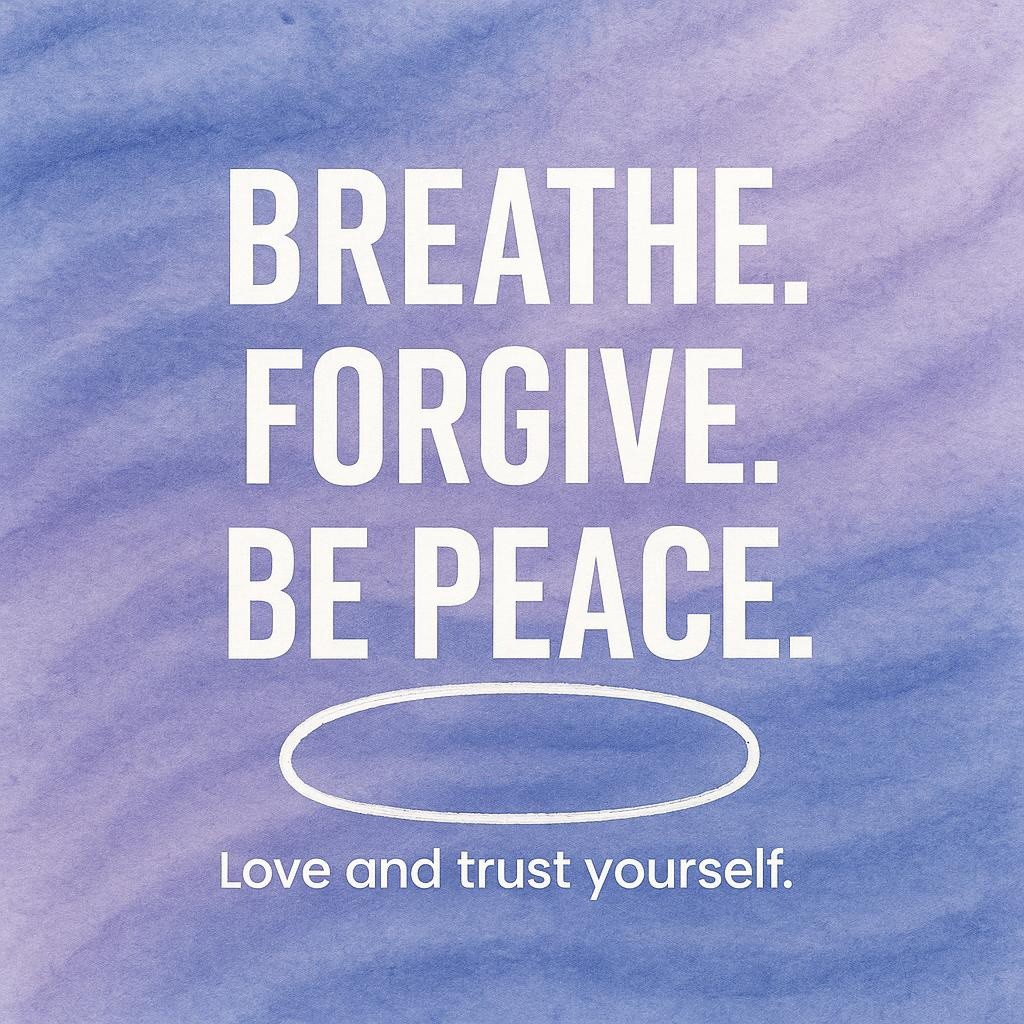
Walk with Karen Lee Cohen through Let’s Be Peace: 20 Unique Paths to Healing Yourself and Spreading Peace in the World, and that whisper gets clear. She signs her work with a simple promise—“Love and trust yourself.” It’s both blessing and blueprint. “This book gives you the tools,” she writes, “and I encourage you to embrace what resonates with you and discard what does not.”
Why this book lands
Let’s Be Peace is not a solo voice; it’s a circle. Karen curates healers from around the world and hands you practical tools you can try right now—breath counts, forgiveness, daily gratitudes, intuition checks, and building your team. The tone is invitational: try it, feel it, keep what works.
Tool 1: Breath you can use anywhere
Karen’s “gift to you” list starts with breathwork: “Breathe deeply (4, 4, 4, 4 or 4, 7, 8).” In practice, that’s inhale 4, hold 4, exhale 4, hold 4—or inhale 4, hold 7, exhale 8. These counts fit in a hallway, a car, a break between calls.
One contributor adds a beautiful cue: “breathe peace into [your] body each morning and night… and breathe out what is not peace”—naming what leaves: judgment, anger, bitterness, resentment. Simple. Powerful. Repeatable.
Tool 2: Forgiveness that frees your body – Forgive Yourself and Others!
Forgiveness here is not theory. It’s an action you can take today. The book shares the Hawaiian practice of ho’oponopono—four lines that speak to the part in you that needs care: “I am sorry. Please forgive me. I love you. Thank you!” “The more we forgive, the freer we are!”
Forgiveness also widens our view. The parable of the farmer and the wild horses repeats a simple truth—“Good luck, bad luck—who knows?” It nudges us to stay open, instead of locking the story in our bodies.
The book is plain about its importance: “Peace demands forgiveness… We simply need to know this, [and] release from our lives all that is not peace.”
Tool 3: Gratitude with a “because”
You’ve heard “be grateful.” Here’s the tweak that makes it stick: write why. Try one line that includes “because”—“I am so grateful for … because …” That “because” anchors the feeling in your body so it lasts longer than a list. The book even offers sentence starters to make it easy.
Tool 4: Listen to your gut
Karen invites you to use your inner GPS. Breathe. Ask your question. “Feel in your ‘gut’… if you feel good, proceed… If your ‘gut’ simply feels off-balance, you have that answer, too.” You are your best guide—and you can still keep smart teammates.
Tool 5: Build your peace team
Karen keeps a holistic physician as “one of my teammates,” and she encourages you to gather people who help you hold steady. Also, spend time with those “on the same path”—people who lift your frequency—so steadiness spreads.
Tool 6: Mental hygiene
We shower daily. What about our thoughts? The book suggests noticing the tone of your inner words and choosing ones aligned with peace. Kind thoughts lead to kinder speech—and easier connection.
Tool 7: Care for your inner child
When we overreact, it’s often the child in us asking for safety. Turning toward that part with protection and care helps us grow into a calmer adult, so the present can finally feel like the present.
Tool 8: Ask for help—and receive it
“Ask… for your highest good and the highest good of all.” Many of us forget to ask—or to receive. Opening the heart and asking wisely is part of the peace process.
Tool 9: Journal a line a day
You don’t need pages. One honest line can connect you with your own knowing and keep you listening to your life.
Tool 10: Practice, don’t perform
Peace grows with small, steady acts. “Taking responsibility for your own peace is a powerful thing to do.” It’s not overnight; it’s a way to live.
A 5‑minute “start here” stack
- One minute: 4‑7‑8 breath. Inhale 4, hold 7, exhale 8. Shoulders drop on the exhale.
- One minute: whisper the ho’oponopono lines that fit—“I Am Sorry, Please Forgive Me, I love you,” “and Thank you,”
- Three minutes: write one gratitude with a “because.” Feel the “because.”
You just breathed peace in, softened an old knot, and taught your body how gratitude feels.
What will change when you practice
- You stop outsourcing your calm. Your breath and a simple forgiveness line are always with you.
- Your choices get clearer. The gut check keeps you honest and kind.
- Your relationships soften. Gratitude with a “because” helps you and others feel seen.
- Your circle strengthens. The right teammates appear when you ask and receive.
Ten tools to rotate this week
- 4‑7‑8 breathing
- Box breathing (4‑4‑4‑4)
- One ho’oponopono line when emotion spikes
- One gratitude with a “because”
- Gut‑check before you say yes or no
- Breathe in peace; breathe out what’s not peace (name it)
- Ask for help—then receive it
- Journal one honest line to hear yourself
- Practice mental hygiene—choose kinder words
- Spend time with people “on the same path”
The line to carry
Karen’s quiet courage is steady: “Love and trust yourself.” Start there. Keep what steadies you. Let the rest go. When more of us become peaceful, “the entire world will shift.” Are you willing to try five minutes today?