Choose Your Healer By Feel, Not Hype: A Peace-First Guide Inspired by “Let’s Be Peace”
A Quiet Yes In The Middle Of The Noise
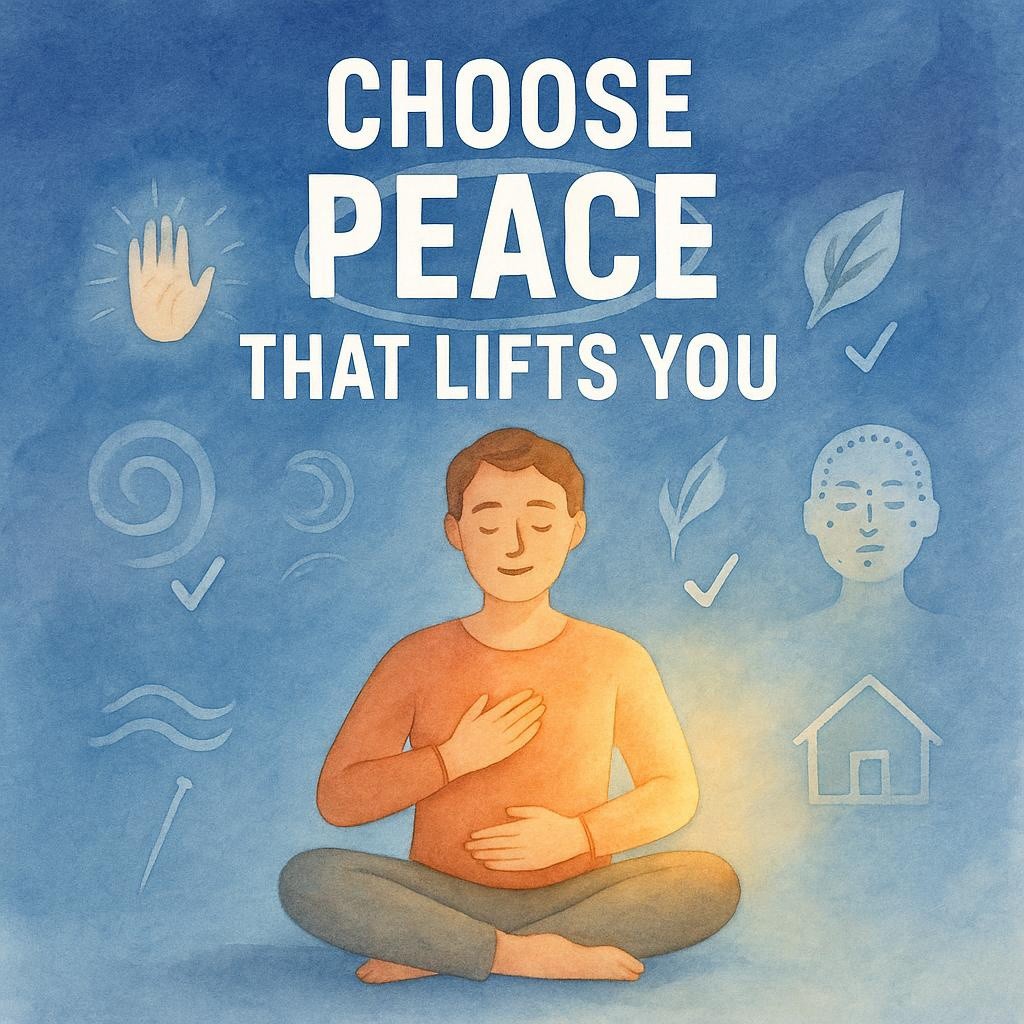
I was at my kitchen table, phone buzzing, coffee going cold. I put my hand on my belly, breathed in for four, held for four, out for four, held for four, and asked a simple question: What would bring peace in this next hour? Turn off the noise. Send one kind text. Step into the sun for three minutes. I did those small things. The day softened.
That, to me, is the promise of Karen Lee Cohen’s “Let’s Be Peace.” Healing that lasts begins inside, then spreads outward, one person at a time. The book holds a steady aim: when we are peace within, we help heal the world, one person at a time .
The Hidden Truth: Comfort Is A Compass
The most powerful insight I took from Karen’s pages is simple: let comfort guide you. Not the comfort of hiding, the comfort of alignment. A grounded, body-level yes.
One of the book’s wise voices, Sue Storm, says peace means being “comfortable in your environment. Comfortable with who you are and what you are here on Earth to do” . That line unlocks something. Peace is not passive. It is you, present and on purpose.
Karen invites you to trust that inner signal and adapt as you go: “embrace what resonates… discard what does not.” She reached out to experts so you can explore many paths, pick what fits, and keep only what feels true to you .
When The Path Is Yours, Choosing Gets Easier
“Let’s Be Peace” is a collaborative circle of healers across modalities. It grew from a hashtag into a movement, with generous interviews over Zoom and a companion site and podcast that extend the practice into daily life. Karen carries the title of Peace Whisperer with care, and the book reads like a conversation where you are the authority on you .
Here is what makes this approach rare:
- It centers your intuition. Karen believes “you are your own best doctor.” She suggests setting a regular barometer, like monthly or quarterly check ins, to see what is working now and what wants to be released .
- It blends community and tools. The website and podcast offer ongoing ways to practice and connect .
How To Choose A Healer You Can Trust
You do not need a hundred steps. You need a few good signals. Use these checkpoints from the book’s wisdom.
1) Start With Your Body’s “Yes”
Try one minute of breath, then ask one clear question. Use 4-4-4-4 or 4-7-8 breathing. Feel your gut. If it feels good, proceed. If it feels off, pause. If you are unsure, wait and ask again. This is a faithful practice in the book, and it works in real choices—rest, relationships, work .
2) Notice How You Feel During And After
If a session leaves you calmer, clearer, and kinder to yourself, that is a green light. If you feel tight, judged, or foggy, that is data. Karen says to trust your gut and revise often. One size does not fit all, which is part of why self-trust matters so much here .
3) Look For Purpose, Not Performance
As Sue Storm teaches, express who you really are and identify your unique path. Purpose and peace are linked, and the right healer helps you live that, not perform it .
4) Keep Your Care Team Balanced
Karen pairs complementary practices with a trusted holistic doctor. Wisdom and science can sit side by side with respect. You can do that too .
Build Your Personal “Peace Stack”
Pick two or three tools you can use in three to five minutes. Keep them where you live your day.
- Breath plus gut check. 2 slow cycles, ask, feel, decide. The counts are simple and portable: “4, 4, 4, 4” . Breathe in to the count of 4, hold to the count of 4, breathe out to the count of 4 and hold again to the count of 4. Karen uses saying Let’s Be Peace for each count.
- Forgiveness mini-ritual. Set a three-minute timer. Say, “I release you, and I release me.” Repeat until the charge softens. As one contributor writes, “Peace demands forgiveness” and we cannot live in peace while holding old blame .
- One shift in your space. From the Feng Shui chapter: be what you want to have. If you want support, be supportive, including toward yourself. Start by noticing how a room makes you feel and make one change that lifts that feeling, even if it is just clearing one surface .
- One minute of breath-led presence. Breathe from belly to chest, then slowly exhale. This turns on your rest system and returns you to clarity. Notice sensations without judging. Ask the body what it needs next. You can do this anywhere, anytime .
The Movement Is Real, And It Begins With You
Karen’s origin story matters. She signed posts with “#BePeace,” until her niece helped her create a softer doorway: “Let’s Be Peace.” That shift turned a directive into a shared practice and helped spark a global circle where each person’s yes matters. The book repeats a core truth: when we heal inside, peace spreads from us to others, one person at a time .
And if you want ongoing support, the book points you to a companion site and podcast so you can keep learning and keep your tools fresh as you grow .
Try This Now: A Two-Minute Choice That Can Change Your Day
- Breathe in for four, hold for four, out for four, hold for four.
- Ask, What would bring me comfort in the next hour that also aligns with who I am here to be?
- Do the one thing your body answers with.
- Then whisper what Karen repeats across the pages: “Love and trust yourself.” And yes, let’s be peace, together .
A Soft Question To Carry With You
Who might feel safer if you brought this steadiness to them today? One person is enough to begin. As the book’s opening promise says, by healing ourselves, we help heal the world, one person at a time .