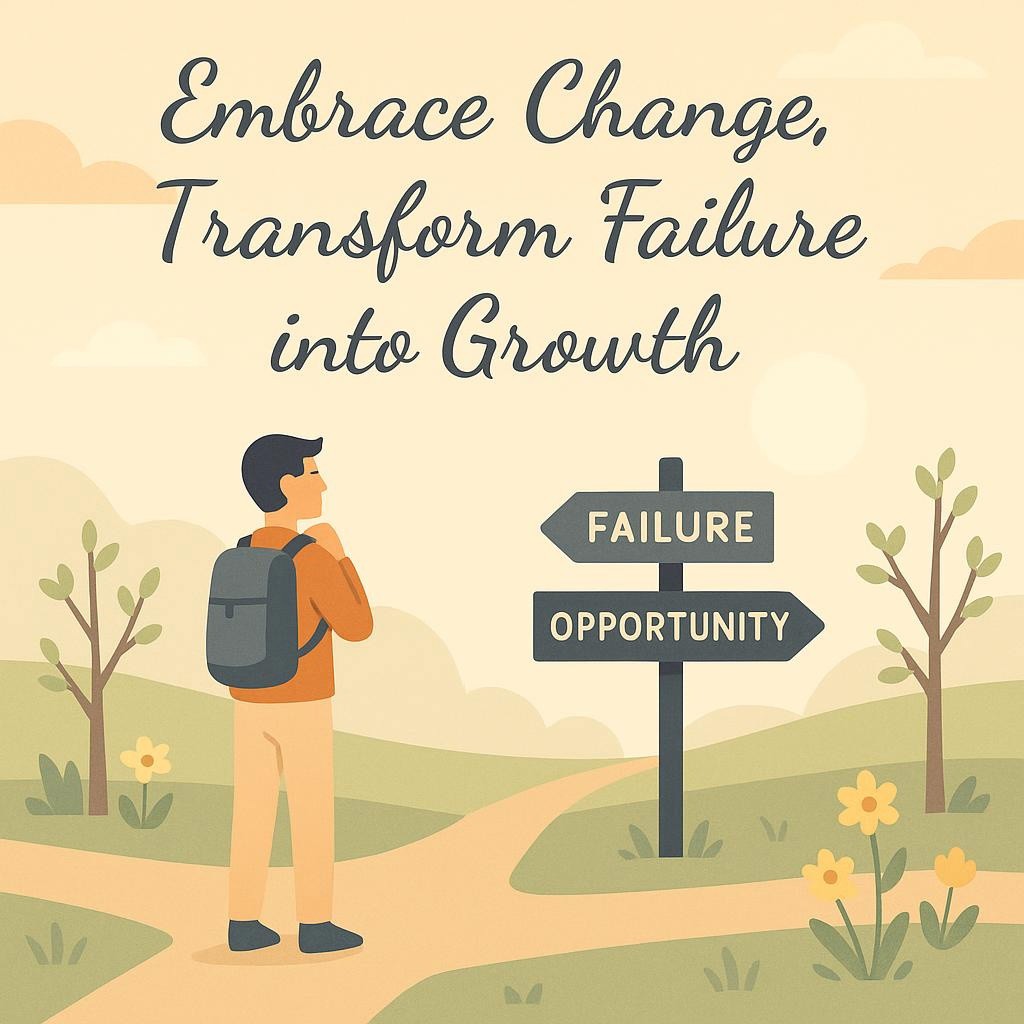
7 Steps to Transform Your Failure into Growth Opportunities
Failures are a part of life, but what if they weren’t the end of the road? The book "Who Do You Want to Be? 8 Steps to Discovering Your Deepest Desires and Creating a Joyful and Successful Life" suggests that failure can actually be a gateway to growth. Here’s a motivational guide to help you turn failures into valuable opportunities for improvement.
1. Identify Your True Desires
Begin by aligning your goals with your true desires. Often, external pressures influence our decisions more than our intrinsic motivations do. As the author notes, “We keep failing if our deepest desires are not in agreement with the vision we set out for ourselves.” If you find your current path uninspiring, reassess your goals and ensure they resonate with what truly makes you happy.
2. Reflect and Adjust Your Approach
Failure indicates that the present strategy isn’t effective. This is a time for introspection. Allow yourself the pause to analyze your previous approach. The author emphasizes the importance of being honest with oneself, as this clarity can lead to essential adjustments in your strategy. Use this opportunity to devise a new plan that closely aligns with your vision.
3. Cultivate a Supportive Environment
Ideas thrive best in nurturing surroundings. Surround yourself with positivity and eliminate negativity, be it from people or other sources. Ensure your environment supports your dreams. The book suggests clearing negativity from your environment, which can significantly increase your chances of success by empowering your pursuit.
4. Overcome Limiting Beliefs
Internal barriers like fear and self-doubt can sometimes be more restrictive than external ones. The author addresses these limiting beliefs that hinder success. Engage in self-reflection to identify and dismantle these beliefs. Replace them with empowering thoughts that propel you forward. Recognize that self-doubt isn’t a verdict, just a hurdle you need to overcome on your path to growth.
5. Harness the Power of Imagination
Imagination is a potent tool at your disposal. Visualization can help you achieve your aspirations by reinforcing favorable outcomes. The book explains that “imagination is an extremely powerful tool” for creating your desired life. Use it to envision successful scenarios and live as the person who achieves them.
6. Take Calculated Risks
Staying in your comfort zone limits growth. Use lessons from failures to assess risks wisely and extend the boundaries of your comfort zone. The book advises readers to take new steps towards their goals daily. By taking such calculated risks, you unlock new opportunities and embrace growth beyond existing limitations.
7. Be Resilient and Persistent
Success often requires persistence. The journey includes setbacks and failures, making resilience necessary. The author highlights this, emphasizing the need to “fail, get back up and keep going.” Treat each failure as a learning opportunity and move forward armed with fresh wisdom. Keep your vision firmly in your sights and continue your efforts until you find success.
Following these steps offers a comprehensive approach to viewing failure as a crucial component of the growth process. In "Who Do You Want to Be?", the author encapsulates these lessons with an authoritative yet approachable style, guiding readers with clarity and empathy. Remember, your pursuit of personal growth is a journey, and each failure is a valuable chapter that leads to success. When you encounter setbacks, consider them as nudges steering you towards the growth you seek.