Reading ‘Emotional Intelligence 2.0’ equips the reader with practical strategies to enhance their emotional intelligence. This improvement not only boosts personal and professional success but also enriches interpersonal relationships. By learning to manage emotions effectively, readers can enhance decision-making, increase their leadership potential, and significantly improve their overall job performance. In an increasingly complex and competitive world, these skills are indispensable for personal growth and career advancement.
Emotional Intelligence 2.0
Key Points
1: The Journey
The Journey into Emotional Intelligence
Emotional intelligence (EQ) is the critical factor distinguishing high performance from mere potential. Unlike IQ, which accounts for only a small portion of success, EQ encompasses self-awareness, self-management, social awareness, and relationship management. This book promises to guide readers beyond mere conceptual understanding, offering actionable strategies to significantly boost their EQ. By improving your EQ, you are equipped to navigate life's emotional landscapes more adeptly, thereby improving both personal happiness and professional success.
2: The Big Picture
Understanding the Big Picture
This chapter unveils the understated power of emotional intelligence, which proves itself to be a stronger predictor of success than traditional measures like IQ. EQ accounts for 58% of performance in all types of jobs, making it indispensable for professional excellence. By recognizing this, readers can shift their focus towards developing EQ, thereby enabling more effective decision-making and superior leadership capabilities.
3: What Emotional Intelligence Looks Like: Understanding the Four Skills
Four Essential Skills of Emotional Intelligence
The book breaks down EQ into four manageable components: self-awareness, self-management, social awareness, and relationship management. Mastery of these skills allows individuals to better understand their emotions, exercise control over their responses, empathize with others, and nurture more meaningful relationships. This holistic approach ensures readers can tackle challenges across both personal and professional realms effectively.
4: Digging In: An Action Plan to Increase Your EQ
Action Plan for Enhancing Your EQ
Readers are encouraged to embark on a structured path to improving their EQ through an action plan. The plan involves assessing current EQ levels, focusing on one skill at a time, and employing specific strategies to enhance it. By methodically following this plan, individuals can achieve tangible improvements that translate to real-world benefits—ranging from better job performance to richer personal relationships.
5: Self-Awareness Strategies
Developing Self-Awareness
Self-awareness is the foundation of all emotional intelligence. By understanding your emotions and their impacts, you can make more informed decisions and manage your behavior more effectively. This chapter provides practical strategies for increasing self-awareness, such as seeking feedback and reflecting on personal experiences, which can lead to enhanced emotional health and relationship satisfaction.
6: Self-Management Strategies
Mastering Self-Management
Self-management is about regulating your emotional responses, especially under stress. This chapter offers actionable techniques to maintain emotional balance and flexibility. Readers learn to navigate through life's pressures with poise, allowing them to maintain productivity and calmness in the face of challenges.
7: Social Awareness Strategies
Enhancing Social Awareness
Social awareness is key to understanding the emotions of others and responding appropriately. By developing keen observation skills and empathy, readers can connect more effectively with others, fostering deeper interpersonal relationships and stronger networks. This chapter provides tools for elevating your social radar, crucial for personal and professional success.
8: Relationship Management Strategies
Building Strong Relationships
Relationship management is the art of maintaining healthy interactions and fostering cooperation. Readers are equipped with skills to handle conflicts, inspire others, and build trustful relationships. This section underscores the importance of using emotional intelligence to enhance teamwork and leadership, thereby cultivating environments conducive to mutual growth and success.
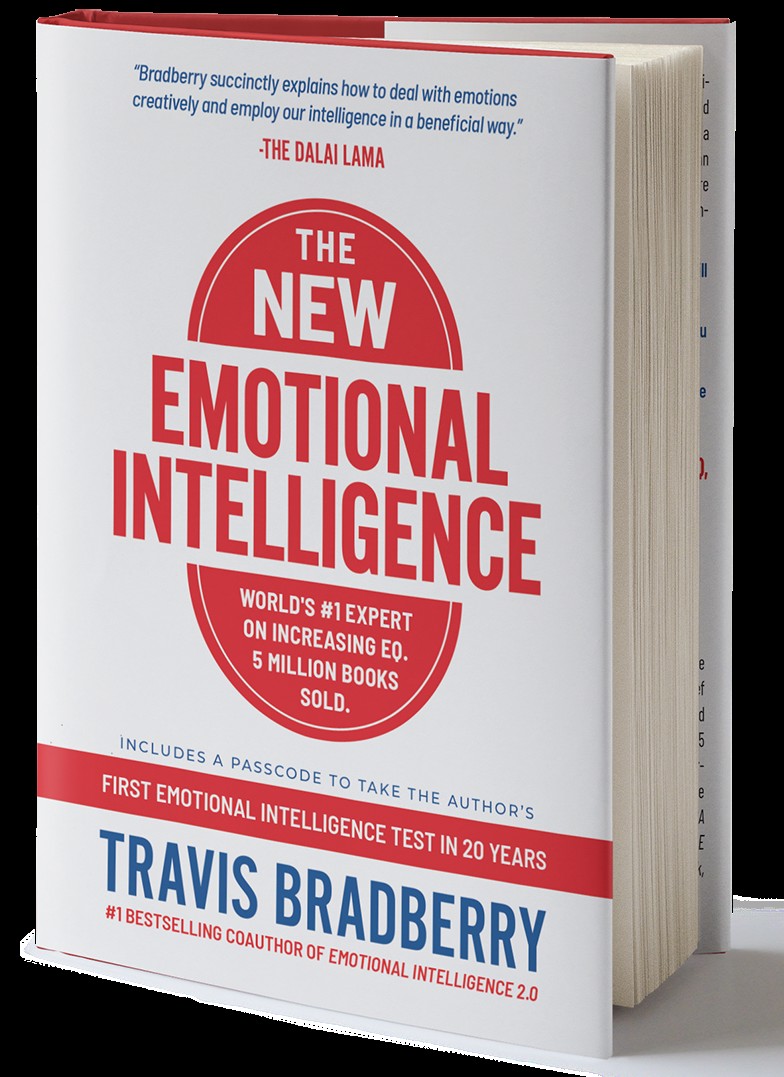
This book is for professionals seeking career advancement, individuals interested in personal development, and leaders and managers.
