Donor-Advised Fund or Give Now A Values and Impact Guide for 2026
If urgent needs are on the table, give directly now. If a high-income or windfall year calls for tax timing and long-term stewardship, consider starting a donor-advised fund (DAF). If proximity, dignity, and community-led response matter most, fund local mutual aid. This decision is for readers who want giving to be both heartfelt and well-aimed, and it is not for anyone seeking a clever tax trick divorced from impact.
This article is general educational information, not tax or legal advice.
Choosing between a DAF, direct donations, or mutual aid is not a test of generosity. It is a question of timing, structure, and accountability. Some moments call for speed. Some call for stewardship. Some call for proximity. The best choice is the one that helps values cross the threshold into real-world outcomes with the least distortion.
The 60-second decision summary: give now, start a DAF, or fund mutual aid?
A grounded reminder from Thriving! by Rand Selig belongs at the top of the page because it keeps the heart clean while the mind stays sharp: “Never forget to work hard, but share generously and wisely.” Work hard. Share generously. Share wisely. That sequence matters.
- Give directly now when urgency is real, time is a moral variable, and the goal is immediate relief or rapid support.
- Start a DAF when a strong giving practice needs structure, when a high-income year changes the math, or when family and privacy matter.
- Fund local mutual aid when proximity and dignity are central, and when community-led response is the most faithful way to meet a need.
A checklist and a decision tree later in this guide will bring the choice into focus without shaming any path.
Path A: Give directly now (and the moments it is ethically superior)
Direct giving is often the cleanest bridge between intention and impact, especially when the need is burning and delay would turn help into hindsight. Scenario: an active humanitarian crisis where a week can change who eats, who evacuates, who keeps medication, and who stays housed. When speed-to-impact is the primary virtue, giving directly can be ethically superior because it refuses to turn suffering into a waiting room.
Direct giving also tends to be simpler, which can be a form of integrity. One gift. One organization. One clear relationship. Administrative friction stays low, and the feedback loop is easier to track, whether through updates, audited financials, or the lived reputations that strong local partners carry.
The main risks are familiar: impulse giving that follows a headline rather than a need, and weak vetting that confuses compelling storytelling with effective delivery. A quick safeguard routine can keep momentum without sacrificing discernment: look for evidence of outcomes, verify transparency and leadership, confirm credible local partnerships, choose unrestricted versus restricted funding intentionally, and consider a recurring gift when the need is ongoing. This is not bureaucracy for its own sake. It is structural integrity for compassion.
Path B: Start a donor-advised fund in 2026 (when structure increases impact)
A donor-advised fund is a charitable account that lets a donor contribute assets, receive an eligible tax deduction in the year of the contribution, then recommend grants to nonprofits over time. Put simply, it separates the moment of funding from the moment of distributing. That separation can be helpful, or it can become a hiding place. The difference is clarity.
For the steady giver who wants simplicity, a DAF can reduce paperwork and decision fatigue. Scenario: a household that gives consistently but feels worn down by scattered confirmations, folders of receipts, and one-off decisions made late at night. Many DAF sponsors provide a single receipt for the contribution, a centralized dashboard for grants, and an easier way to track a multi-year giving plan. That administrative simplicity is not trivial, it is what keeps a good intention from collapsing under daily life.
Tax timing is another reason DAFs exist. Scenario: a windfall year after selling a business, exercising options, or receiving a large bonus. In those moments, a DAF can allow “bunching,” which means concentrating charitable contributions into one tax year while distributing grants across multiple years. That can support long-term generosity without forcing rushed grant decisions. Fees, minimum contributions, and investment options vary by sponsor, so it helps to compare structures the same way any serious stewardship choice is compared, calmly, and with the long view.
Privacy and family legacy-building can also be decisive. A DAF can make it easier to give anonymously when safety, unwanted attention, or simply personal boundaries matter. It can also become a shared practice, where children or relatives learn how to evaluate organizations, discuss values without cynicism, and treat giving as a lived ethic rather than a seasonal gesture. The key is to keep the account from becoming a museum of good intentions.
That is where accountability comes in. A DAF can drift into what might be called moral escrow, money set aside for good someday, while the present stays under-served. The antidote is a distribution rhythm set on purpose. Decide on a cadence that matches values, perhaps quarterly grants, an annual “baseline” of support for trusted partners, and a separate channel for urgent needs that cannot wait. Personal circumstances differ, so consult a qualified tax professional for advice specific to a particular situation.
Path C: Local mutual aid and community-led giving (proximity, trust, accountability)
Mutual aid is community-led support where people pool resources to meet needs quickly, often outside traditional nonprofit structures. It is not charity as performance. It is solidarity as practice. The focus is dignity, speed, and local knowledge, with the understanding that the closest people to the problem often see the most practical solutions.
This path fits moments when systems move slowly and neighbors cannot. Housing and food instability, disaster response, transportation needs, childcare gaps, and medical shortfalls often show up first in the daily conversations of a community, not in annual reports. Mutual aid can meet those needs with a responsiveness that larger institutions struggle to match.
Accountability still matters, it simply looks different. Instead of polished brochures, look for credible organizers with community references, clear norms for how requests are handled, and transparent follow-through such as regular updates, anonymized receipts, or public tallies of funds received and distributed. Vetting should protect against harm without smothering grassroots work under paperwork it was never designed to carry.
The “is this for me?” checklist + decision tree for 2026: start now, delay, or give directly
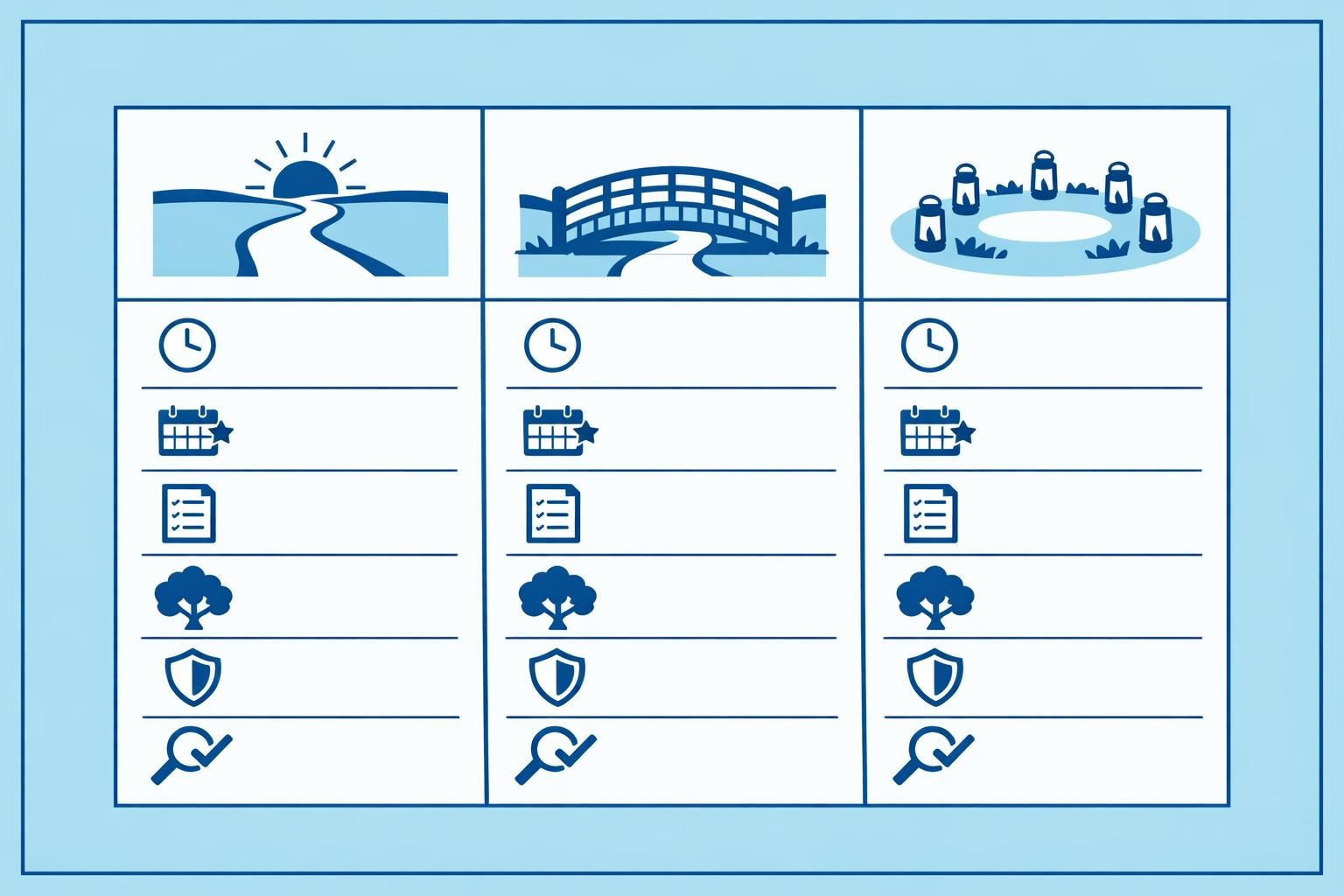
The best giving plan is not the most impressive. It is the one that keeps compassion moving across the threshold into real outcomes. Use the following criteria as a mirror, not a scorecard: tax timing, administrative simplicity, family legacy-building, privacy, speed-to-impact, and accountability. When the reflection is honest, the decision often becomes quiet and obvious.
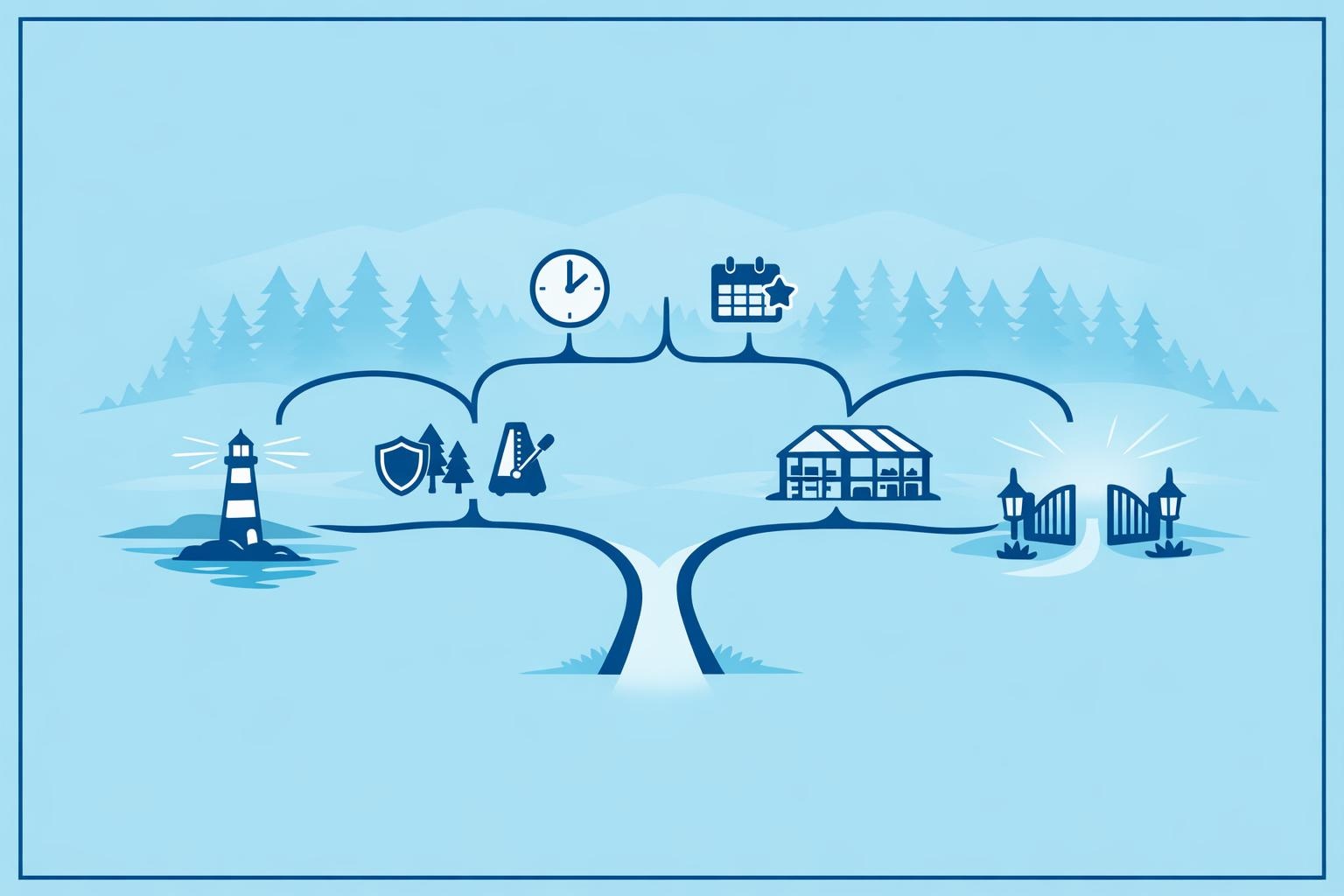
Start with the first gate in the decision tree: is there an urgent need present, either in personal community or in a visible crisis where delay carries real human cost? If yes, direct giving is often the ethically stronger choice because speed-to-impact becomes part of the moral equation. A DAF can still play a role later, but it should not become an excuse to postpone help that must arrive now.
If urgency is not the primary factor, move to the next gate: is this a high-income or windfall year, or a year where bunching charitable contributions would materially change what can be given? If yes, starting a DAF now can be a practical way to fund generosity while taking advantage of tax timing. If not, delaying a DAF until a trigger event can be wise, and direct giving can continue in the meantime.
Next, ask whether structured family practice and privacy are central. If a household wants a shared place to discuss values, involve the next generation, or reduce public visibility, a DAF can support that structure. If proximity and community autonomy feel more aligned, mutual aid can become the primary channel, with direct giving to trusted organizations as a stabilizing complement.
Finally, check willingness to set a grantmaking cadence. A DAF works best when there is a commitment to distribute regularly, not just to contribute. If that commitment feels realistic, open the DAF and set a rhythm in writing, including a first grant date that is close enough to prevent drift. If that commitment feels uncertain, delay the DAF and keep giving directly until the habit of steady distribution is strong.
Some readers land on a blended approach, which can be both practical and honest. A DAF can hold planned, steady giving that benefits from structure, while direct donations handle urgent needs where delay would be costly. Mutual aid can remain a nearby channel for moments when dignity and proximity are the clearest form of accountability.
Choose one giving move to make this week, small but real. Set up a recurring direct donation to a trusted organization, even if the number is modest. Or open a DAF, pick a sponsor whose fees and minimums match the giving level, and schedule the first grants on the calendar. Or identify a credible local mutual aid fund that shows consistent follow-through, then contribute in a way that respects both privacy and transparency.
For readers who want their giving to be part of a larger practice of ethical living, the audiobook of Thriving! by Rand Selig is available now. Hearing it narrated by Rand Selig adds a different kind of clarity, the steadiness of a human voice carrying real emotional weight. Use an Audible credit to get it free, and let the words land as guidance for the next threshold, not as theory. Order today, listen with an open notebook, and let wise generosity become a habit with structural integrity.
Giving is not only a transfer of money. It is a way of voting for the world with the tools already in hand. The right choice is the one that makes generosity easier to sustain, easier to verify, and harder to postpone when the moment is asking for courage.