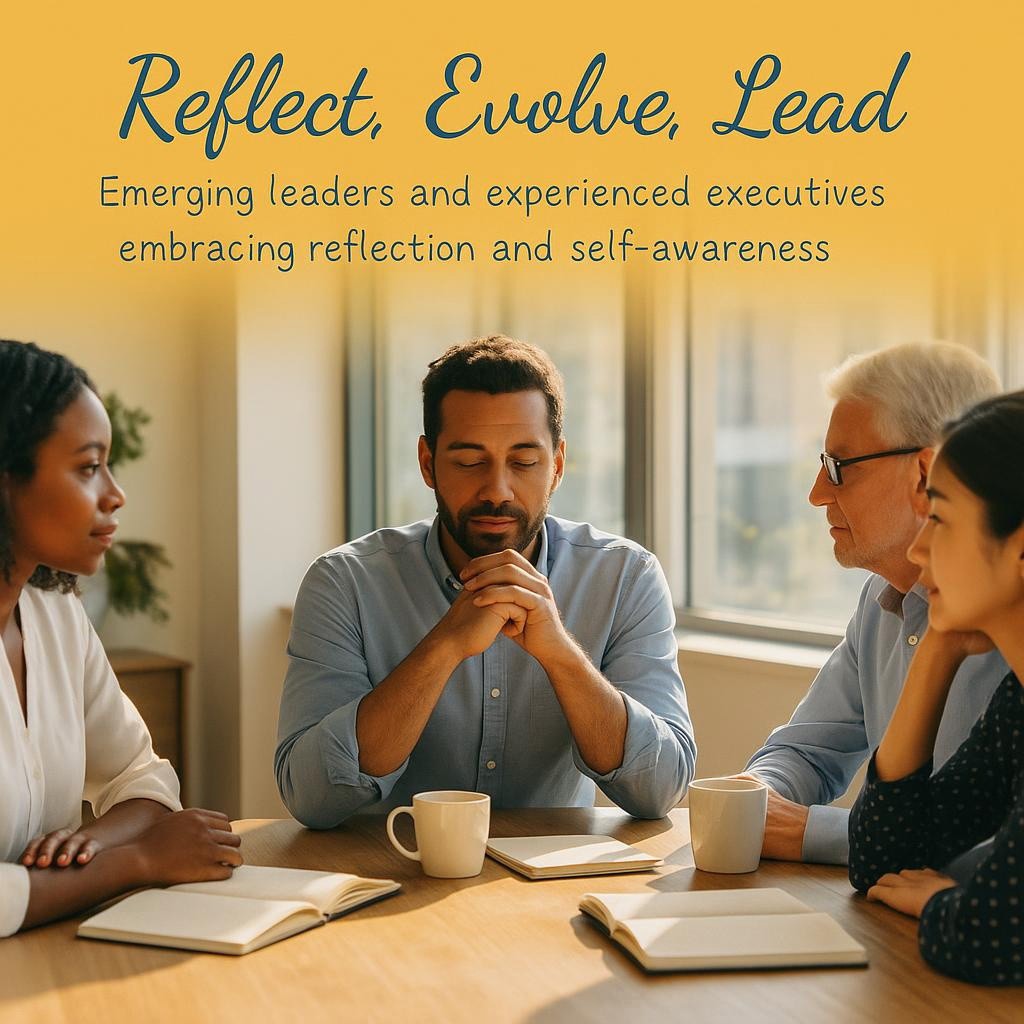
The Reflective Leader: Using Self-Awareness to Enhance Impact
Leadership influence and organizational impact often depend on a leader’s level of self-awareness and capacity for reflection. In "The Leadership Journey" by Nancy Vepraskas, the value of developing reflective practice is stressed as an essential tool for leaders, from emerging managers to experienced executives. This article examines how reflection enhances leadership impact and offers practical tools and exercises to strengthen self-awareness.
The Foundation of Reflective Leadership
Reflective leadership starts with understanding oneself—your motivations, beliefs, and values. It’s about cultivating a keen sense of self-awareness that influences decision-making and interpersonal dynamics within an organization. As Nancy Vepraskas eloquently puts it, "Leadership is personal. The way you show up, make decisions, and lead others shapes not just your success but the success of those around you." Through introspective practices, leaders can align their actions with their core values, ensuring authenticity and consistency in their leadership journey.
Tools and Exercises for Enhancing Self-Awareness
Weekly Reflections
A practical starting point is engaging in regular weekly reflections. This exercise involves setting aside time to evaluate your leadership actions, decisions, and their alignment with personal and organizational goals. By asking yourself questions such as "What did I do this week that strengthened my leadership brand?" and "What would I do differently next time?" you can recognize successes and pinpoint areas for improvement.
Embracing Humility in Self-Assessment
Reflective leadership also involves embracing humility in self-assessment. This means actively seeking feedback and being open to critique. It’s about acknowledging gaps in knowledge or skill and committing to continuous learning. Vepraskas encourages leaders to reflect on their leadership practices and identify areas for improvement across the organization.
Crafting a Leadership Brand
Your leadership brand, or how you are perceived by others, plays a significant role in your effectiveness as a leader. Reflect on what you wish to be known for and ensure your actions consistently align with that vision. As Vepraskas advises, a leader’s brand is visible in every meeting, email, and hallway conversation. Regularly refining and reinforcing your brand ensures it is both authentic and impactful.
Prioritizing Reflection in Leadership Practice
Reflective practice should be integrated into daily leadership behaviors rather than being an isolated activity. Here are key strategies to implement reflective practices effectively:
-
Schedule Regular Reflection: Dedicate time each week for introspection. Use this period to contemplate recent actions, decisions, and outcomes.
-
Seek Diverse Perspectives: Engage with mentors, peers, and team members to gain varied insights into your leadership style and impact.
-
Document Your Journey: Keep a journal or digital record of your reflections. Note key learnings, challenges, and growth areas.
-
Commit to Continuous Learning: Adopt a growth mindset. Continuously seek opportunities for learning and personal development through reading, courses, and workshops.
-
Cultivate a Feedback Culture: Encourage open communication within your team. Establish feedback mechanisms that allow for constructive dialogue and improvement.
The Impact of Reflective Leadership on Organizations
The effects of reflective leadership are both profound and far-reaching. Leaders who engage in self-awareness practices not only improve their personal effectiveness but also elevate the collective performance of their teams. Vepraskas highlights that owning one’s role means focusing on the "3-5 critical impact responsibilities that only you, with your unique skills, power, and abilities, can execute." Such focus drives alignment and enhances organizational success.
Moreover, reflective leaders create environments that encourage innovation, collaboration, and resilience. They lead by example, demonstrating the virtues of transparency, accountability, and strategic thinking, inspiring those around them to pursue excellence.
Embracing the Reflective Journey
As leaders embark on their reflective journeys, they contribute not only to their personal growth but also to the advancement of their organizations. By integrating self-awareness practices and fostering a culture of reflection, leaders can create lasting impact and drive meaningful change. "The Leadership Journey" by Nancy Vepraskas serves as an invaluable guide, offering structured insights and exercises to support leaders in mastering the art of reflection and self-awareness in their leadership endeavors.
Ultimately, the journey of reflective leadership is both a personal and organizational pursuit, shaping the future of leadership dynamics and organizational success.