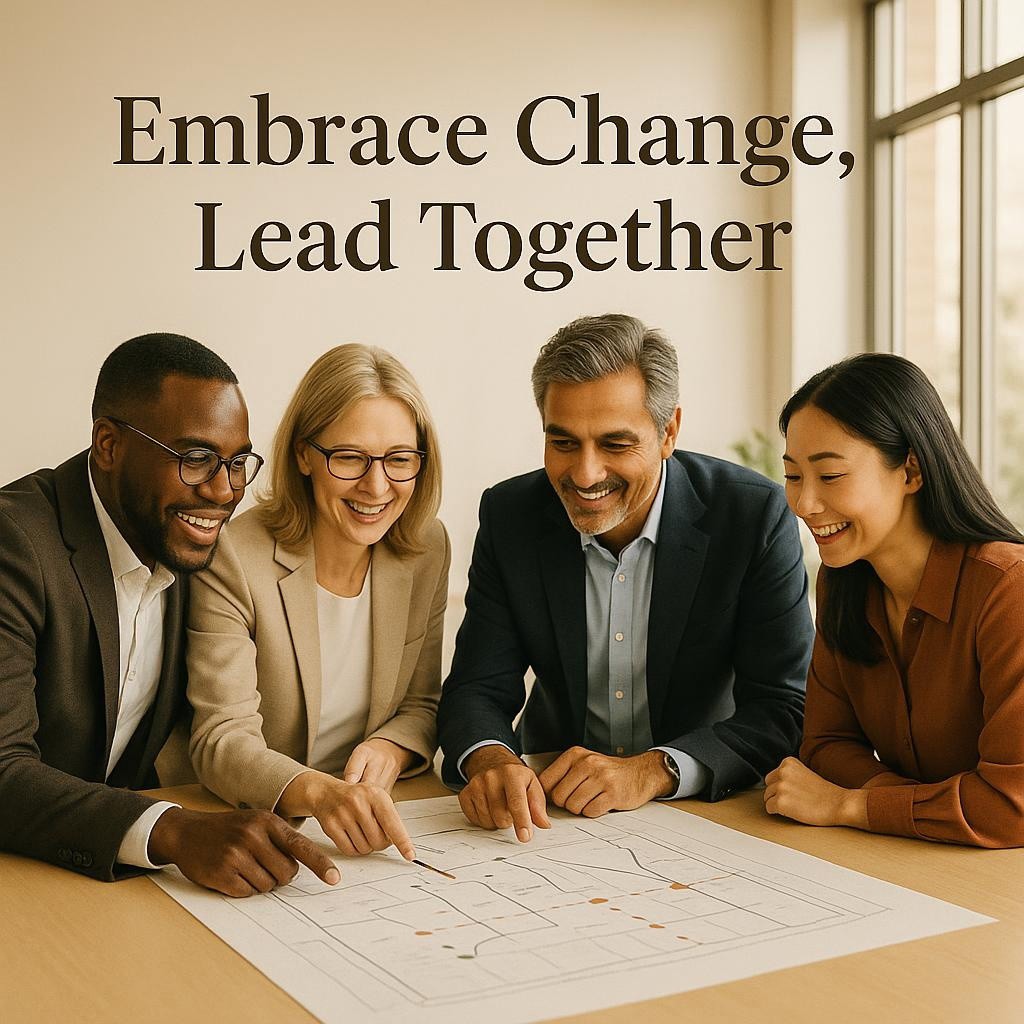
Transforming Resistance into Opportunity: Embrace Change with Gemba Walks
Resistance to change is not merely a challenge; it is often the critical barrier that stymies success in organizational improvement initiatives. But what if this resistance could be transformed into a powerful catalyst for growth? In "Learn to See the Invisible" by esteemed author [Author’s Name], an intriguing framework known as the Gemba Walk is presented, offering leaders a dynamic tool to foster an adaptable, participative, and improvement-focused work culture.
Seeing Reality, Not Assumptions
Many leaders operate under assumptions that do not align with the actual day-to-day workings of their organizations. Gemba Walks are an exercise in breaking through these assumptions to directly observe the reality of work processes. As you walk the Gemba (literally the place where value is created), insights gained often challenge preconceived notions, leading to a deeper understanding of operational challenges and opportunities for improvement.
For example, a senior executive once discovered that a legacy process flaw had persisted for over 40 years simply because no one had asked, "Why?" This revelation was not merely eye-opening; it was transformative, prompting a complete reevaluation of operational standards and approaches.
Building Trust and Engagement
Gemba Walks are not just about identifying deficiencies; they are an opportunity to build trust and engage employees in meaningful dialogue about their work. By approaching these walks with humility and a genuine interest in employees’ perspectives, leaders can cultivate an environment where employees feel valued and empowered to contribute their ideas and insights.
The book underlines the significance of psychological safety during these walks. Leaders are encouraged to frame the walks as learning opportunities, emphasize the importance of challenges as learning experiences, and celebrate both small and significant milestones in improvement efforts.
A Simple Yet Profound Framework
The Gemba Walk methodology is grounded in a straightforward framework: Go See, Ask Why, Show Respect. This approach is mirrored in the teachings of Toyota and other lean enterprises, emphasizing the importance of observing firsthand, questioning earnestly, and respecting the input of all employees involved.
During these walks, leaders are urged to focus on three critical keys: Purpose, Process, and People. The clarity of purpose ensures every organizational role has significance, while a process-oriented approach aids in identifying improvement opportunities. Ultimately, it is the people (the employees) who are at the heart of these walks, as their transformation is the true driver of lean improvements.
The Power of Continuous Improvement
Integrating Gemba Walks into regular leadership practices creates a rhythm of continual improvement and learning. By consistently engaging in these walks, leaders not only develop their problem-solving skills but also foster those of their teams. This cultural shift towards continuous improvement helps dismantle resistance, replacing it with a proactive pursuit of excellence.
Take Action: Start Your Gemba Journey
To those willing to champion change, the call to action is clear: Incorporate Gemba Walks into your leadership routine. Start by preparing your team, defining the walk’s objectives, and being open to learning from what you observe. Over time, as processes stabilize and employees grow more adept at identifying and solving issues, your organization will not only overcome resistance to change but thrive in its new culture of continuous improvement.
Embrace the philosophy of ‘seeing the unseen to transform the seen.’ Lead your organization on a journey where every walk inspires growth, ignites innovation, and cements lasting improvements. The transformative power of Gemba Walks awaits those ready to take the first step.