Understanding the Role of Gemba Walks in Building Trust
Trust is a critical element in cultivating a successful organizational culture. It empowers employees, enhances collaboration, and drives sustainable improvements in performance. Gemba Walks, grounded in Lean management practices, play an instrumental role in building trust within organizations. In "How to Do a Gemba Walk" by Michael J. Bremer, the author explains how this practice fosters an environment where employees feel valued, heard, and motivated to share their insights and challenges.
The Essence of Gemba Walks
Managers and leaders conduct Gemba Walks by moving through the workplace to observe processes, engage with employees, and gather insights about operations firsthand. This hands-on approach allows leaders to move beyond assumptions and truly understand what is happening on the ground. Bremer explains that going to the Gemba is a powerful learning experience for anyone supporting the value creators.
Cultivating a Non-Judgmental Environment
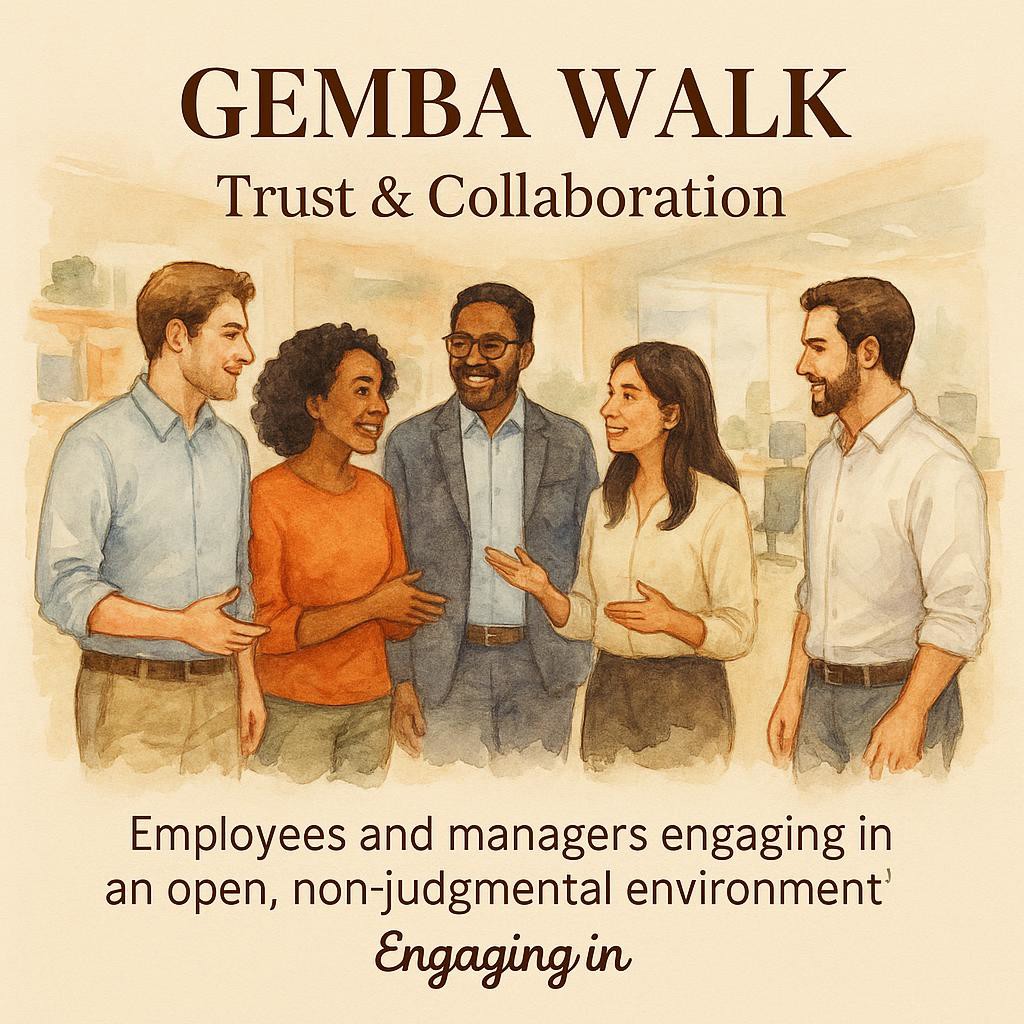
Creating a non-judgmental environment is a primary objective of a Gemba Walk, which involves focusing on observing and understanding processes rather than evaluating or criticizing individuals. Leaders are encouraged to "Go See, Ask What Then Why, and Show Respect," a methodology that stresses understanding before acting. This approach reduces fear among employees and encourages them to share genuine insights without worry.
The Power of Active Listening and Inquiry
Effective Gemba Walks emphasize active listening and inquiry. Leaders should engage with employees through open-ended questions that encourage dialogue and deeper understanding. Bremer highlights the importance of asking questions like, "What are you trying to accomplish?" or "What do you need to remove barriers?" These questions invite employees to share their experiences and insights, building a two-way communication channel.
Building Trust Through Mutual Respect
Respect is fundamental to the success of Gemba Walks and, therefore, to building trust. Bremer notes the importance of showing respect to everyone participating in the Gemba Walk process. By demonstrating respect, leaders acknowledge the value of employees’ contributions and expertise, fostering a culture of trust and collaboration.
Encouraging Idea Sharing and Problem-Solving
Gemba Walks provide a platform for employees to propose ideas for improvement and discuss challenges openly. Bremer emphasizes empowering employees to share their ideas during these walks, which aids in process improvement and strengthens the connection between management and staff. This mutual problem-solving practice creates an environment where employees feel their input is both valued and impactful.
Continuous Learning and Development
A key outcome of Gemba Walks is the development of a continuous learning culture. This approach allows organizations to uncover inefficiencies and root causes of problems, paving the way for sustainable improvements. Gemba Walks are viewed not as a one-time event, but as a continuous journey toward improvement, transparency, and trust-building.
Gemba Walks in Different Environments
While traditionally used in manufacturing, Gemba Walks are adaptable to various settings, including offices. They focus on understanding the current reality, developing a deeper understanding of processes, and cultivating a trusting environment where employees can excel. Bremer emphasizes that the success of a Gemba Walk lies in its ability to adapt to the unique dynamics of any workplace.
Aligning Organizational Goals with Employee Engagement
For Gemba Walks to effectively build trust, they must be aligned with the broader organizational goals. Leaders should set challenging targets and work collaboratively with employees to achieve them. The insights gained from Gemba Walks can inform better decision-making and align resources effectively, promoting a harmonious and efficient workplace.
Empowering Leaders and Employees Alike
Gemba Walks serve as a learning opportunity for leaders and a platform for empowering employees. By observing firsthand and engaging in meaningful dialogue, leaders can better understand their team’s dynamics and empower them to reach their full potential.
By integrating Gemba Walks into daily leadership practices, organizations can enhance their performance, build stronger teams, and create a culture where trust flourishes. Bremer aptly describes the Gemba Walk as a respectful and effective tool that builds trust and lays the groundwork for major transformation. It is through this framework of mutual respect, active engagement, and continuous improvement that organizations can truly thrive.