The Role of Gemba Walks in Strategic Alignment
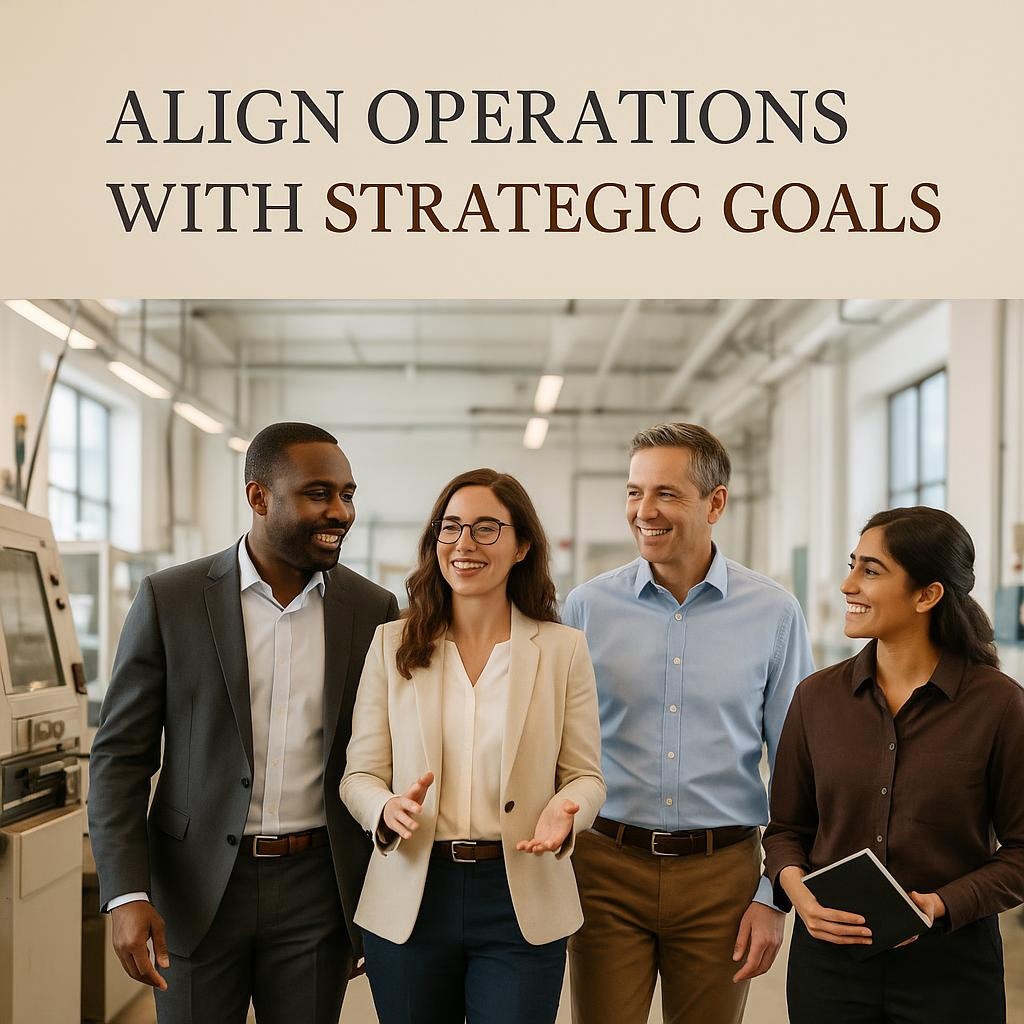
Aligning daily operations with strategic goals is crucial for any organization striving for success. Leaders often face the challenge of ensuring that every level of their operations aligns with broader corporate objectives. Gemba Walks, a concept derived from the Japanese term Genchi Genbutsu, offer a solution by emphasizing going to the source to find factual insights. This method is key in aligning operations with strategic goals by allowing leaders to see, understand, and improve processes with their own eyes, ensuring they reflect the organization’s objectives as detailed in "How to Do a Gemba Walk" by Michael Bremer.
Understanding the People Involved
A successful Gemba Walk begins with a focus on people. These walks are not merely observational exercises but development tools for both leaders and team members. Leaders are encouraged to step away from desks and titles and immerse themselves in the work environment, gaining insights into how processes truly function. This human-centric approach aligns with the philosophy of "Servant Leadership," where the focus is on fostering mutual respect and trust among employees and managers. Mike Hoseus, a former Assistant General Manager at Toyota, aptly summarizes this by stating, "For us, the Gemba Walk was a way to live out the ‘Servant Leadership’ principle we were taught." This principle is fundamental in creating an environment where employees feel safe to voice concerns and share insights without fear of blame.
Identifying Problems Through Process Analysis
The essence of a Gemba Walk lies in understanding process dynamics. Many organizational problems stem from systemic issues rather than individual mistakes. Therefore, a key element during a walk is the separation of process from people. Leaders who practice Gemba Walks focus on understanding how work is conducted, identifying inconsistencies, and recognizing improvement opportunities. A process-focused approach, as highlighted by Bremer, helps in uncovering systemic inefficiencies and aligning these with strategic goals. For instance, examining the alignment of departmental activities with organizational objectives ensures that all functions work together harmoniously rather than in isolated silos.
The Promise of Enhanced Organizational Performance
Conducting Gemba Walks with a keen focus on strategic alignment promises significant organizational improvements. It elevates the practice of continuous improvement, allowing leaders to see the real-time application of strategic goals across departments. Moreover, it fosters a culture of accountability and empowerment among employees. Achieving alignment leads to sustained success, as organizations that integrate Gemba Walks effectively can adapt more quickly to market changes and strategic shifts. The walk is as much about understanding current metrics as it is about preparing to adapt and optimize those metrics to meet future demands.
Proof in Practice: Successful Implementation
The impact of Gemba Walks on aligning strategy and operations is clear in practice. For example, Autoliv in Ogden, Utah, utilized Gemba Walks to streamline their improvement idea submission process, significantly increasing employee-driven improvements. By decentralizing the decision-making process and empowering team members to implement ideas, Autoliv transitioned from 16,000 employee ideas in 2004 to over 100,000 by 2010. This case illustrates how Gemba Walks can be a tool for strategic alignment that not only identifies faults but also cultivates a proactive culture of continuous improvement focused on strategic goals.
Furthermore, the story of a Fortune 30 company that discovered inefficiencies in their production process through a Gemba Walk showcases the value of "going to see." The discovery of a 40-year practice of altering component specifications underscored the importance of questioning longstanding practices and aligning them with current strategic objectives. This realignment resulted in significant efficiency gains and a reinforcement of the strategic alignment ethos within the organization.
Encouraging Sustainable Success
The role of Gemba Walks in strategic alignment lies not just in identifying and solving today’s problems but also in fostering a culture that supports long-term success. Leaders are encouraged to use these walks as a platform for communication, reinforcing strategic objectives, and empowering employees to contribute to the organization’s vision. By focusing on developing people’s critical thinking skills and fostering a culture of trust, organizations can ensure that improvements are sustained and strategic goals remain a focal point of daily operations.
For business leaders and process improvement professionals, integrating Gemba Walks into regular practice is a valuable step in aligning operations with strategic goals. These walks are more than just observational exercises; they are a transformative approach to leadership, strategy, and operational alignment that can drive sustainable success. For those interested in exploring more about enhancing strategic alignment through Gemba Walks, consider reading related blog articles like "Gemba Walks: Boost Strategic Alignment for Business Success" available at Inkflare.ai.
In summary, Gemba Walks are a powerful tool for achieving strategic alignment. By focusing on people, processes, and actionable insights, they ensure that operational activities are not just aligned with but actively driving forward the strategic objectives of an organization. The knowledge gained from these walks empowers leaders to make informed decisions and foster an environment of continuous improvement and sustainable success.