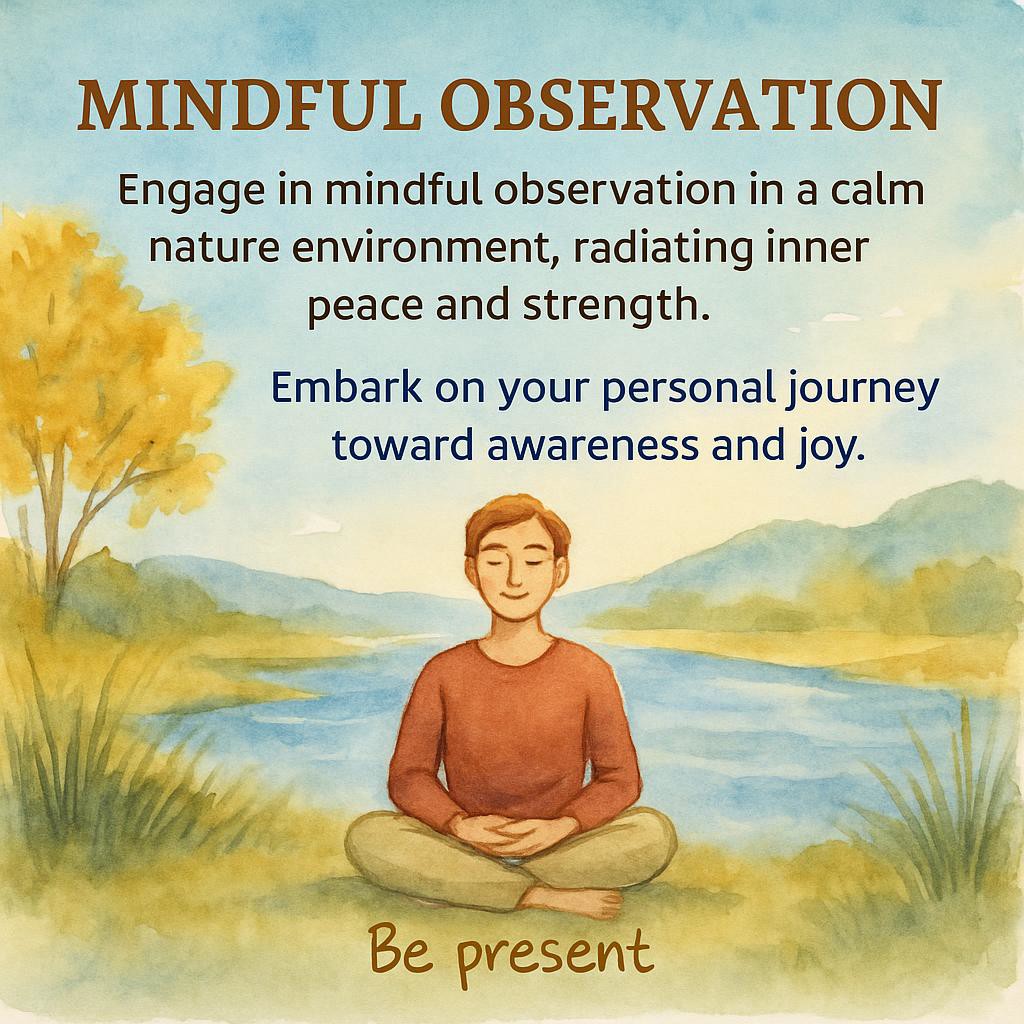
Unlocking the Power of Observation: A Journey to Awareness
There’s a specific awareness technique that transforms how we navigate and experience life. In her insightful book, Free Your Joy, Lisa McCourt emphasizes the benefits of this skillful form of observation in understanding our emotions and reactions. This guide serves as a path to enlightenment, allowing individuals to cultivate a deeper awareness that leads to healthier and more joyful living. Let’s explore practical techniques to master the art of observing and invite positive change into your life.
The Challenge: Understanding Emotions and Reactions
Understanding why we feel the way we do can seem daunting. Often, our reactions are dictated by "bucket beliefs," subconscious, outdated beliefs formed in childhood that shape our perception of reality. These beliefs influence our emotional responses to present situations; until acknowledged, they continue to govern our lives. As McCourt points out, "The thought that’s led to this feeling probably sprang from a bucket belief created long ago." Recognizing this is the first step toward transformation.
The challenge lies in becoming aware of how these deep-seated beliefs control our emotional landscape. Left unchecked, they foster resistance to change and healing. The key is to embrace these feelings with compassion and understanding, opening the door to healing and liberation. McCourt describes this journey as an exploration of our inner worlds where every uncomfortable situation is a chance for growth and healing.
Agitating the Problem: The Impact of Unacknowledged Emotions
Unacknowledged emotions and ignored observations lead to stagnation. Picture carrying around an overloaded emotional "bucket," filled with unprocessed emotions that trigger reactions in everyday scenarios. These triggers are calls to address the root cause of our discomfort. As McCourt illustrates with the story of a toddler in a grocery store, unprocessed emotions can linger from childhood and influence adult behavior, leading to irrational fears and avoidance patterns.
Inaction allows these emotions to grow unchecked, amplifying stress and dissatisfaction. The societal conditioning of labeling emotions as good or bad only exacerbates this problem, creating a cycle where we avoid uncomfortable emotions, opting for distractions and temporary relief. Ironically, it’s the very act of running away from emotions that perpetuates the suffering.
The Solution: Techniques to Cultivate Awareness
Embarking on a journey toward awareness begins with mastering the art of observation. As McCourt advises, cultivating the skill of being the observer allows us to step back from our immediate reactions and examine them without judgment. Here are some techniques inspired by "Free Your Joy" to enhance your observational skills:
- Develop an Internal Dialogue:
- Frame your triggers with compassion. When faced with a challenging emotion, remind yourself, "This feeling is probably not about what’s currently happening. I honor and process this feeling by loving myself and having compassion for myself." This internal dialogue fosters a supportive emotional environment for healing.
- Daily Reflection and Journaling:
- Dedicate time each day to journal about the triggers and emotions you experienced. This practice, akin to "healthy emotional digestion" as McCourt puts it, allows emotions to surface in a safe space. Through reflective writing, you unload not just the feeling of the immediate event but also related stored energies.
- Mindfulness and Present-Moment Awareness:
- Engage your senses to anchor yourself in the present. Noticing the sounds, colors, and sensations around you helps quiet the mind’s chatter and centers you in the now. This practice of tuning into the present moment helps reduce anxiety and foster emotional clarity.
- Explore Your Vertical Self:
- McCourt introduces the concept of the Vertical Self, representing the observant, detached aspect of our consciousness. Engaging with this part of yourself can help distinguish between the transient nature of your thoughts and the unchanging essence of who you are.
- Embrace All Emotions:
- Welcome every emotion, even the difficult ones, as "valuable opportunities for true and lasting healing, and blissful growth and expansion." This approach transforms emotions into allies rather than adversaries, guiding you toward understanding and liberation.
Transformative Change: The Path Forward
By integrating these practices into your life, you embark on a continuous journey of self-discovery and healing. As you become more skilled at observing your thoughts and emotions, you cultivate an environment for personal growth—a space where joy is not just a fleeting experience but an integral part of your being. Lisa McCourt captures this beautifully: "You are, in truth, never in need of healing anyway because you are already divine perfection. All that ever needs to be ‘healed’ are the misconceptions that keep you from that recognition."
Begin today to master the art of observing, and let it lead you to a life enriched with awareness, compassion, and joy. Welcome every emotion as a guide and embrace the stillness and wisdom of your Vertical Self. Your journey of awareness is not just a pursuit of understanding but a celebration of the innate joy that lies within.