Top 5 Ways to Foster a Security-First Mindset in Your Team
In today’s business environment, cybersecurity is a primary concern that affects the entire organization, not just the IT department. Business leaders and CEOs have a responsibility to instill a security-first mindset among their teams to protect digital assets and maintain organizational resilience against cyber threats. Drawing from Hamed Tahmasian’s "A CEO’s Guide to Navigating Tech Development," this article outlines five practical measures to cultivate robust security awareness within your teams.
1. Comprehensive Training and Awareness Programs
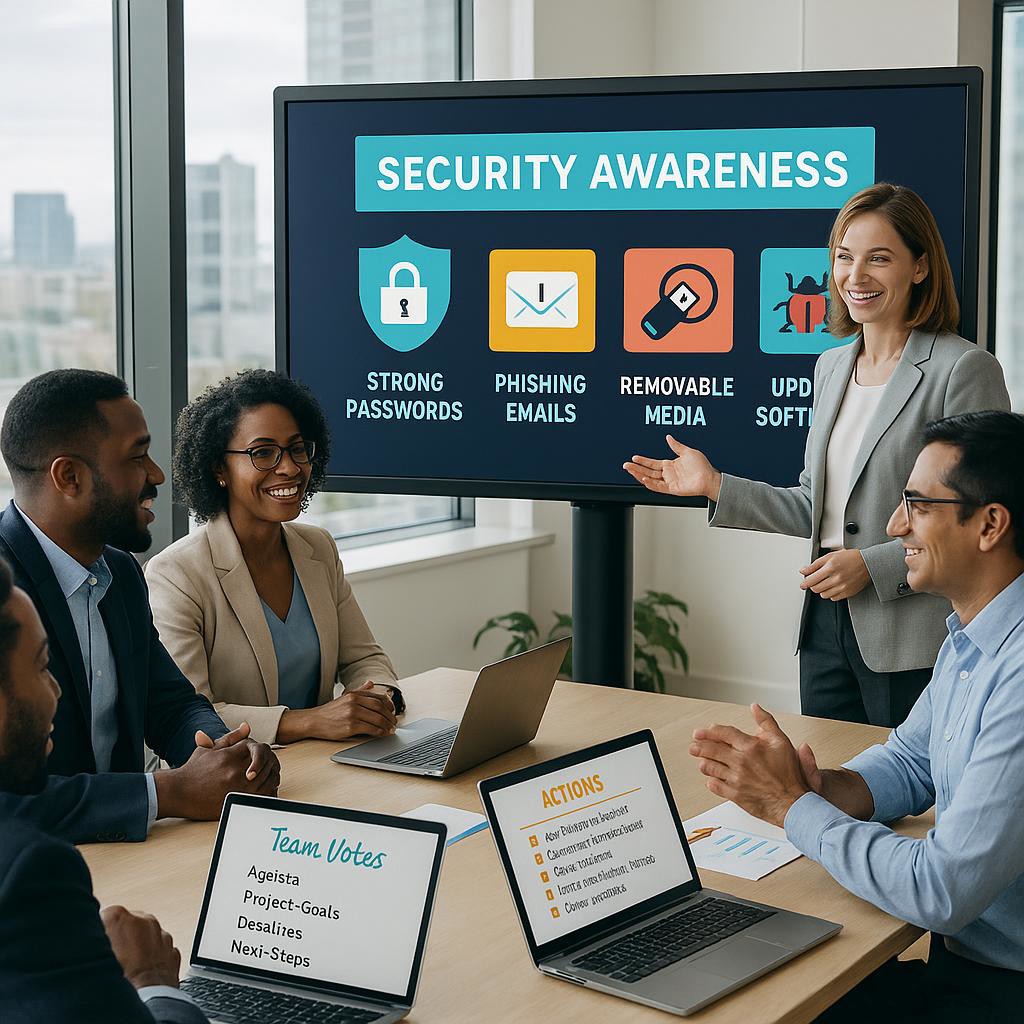
Education forms the bedrock of any solid security strategy. Regular, structured training sessions should be tailored to various roles within the organization, boosting awareness and preparedness against cybersecurity threats. As Tahmasian states, “Training your team to play defensively ensures everyone knows what to do (and what not to do) to keep your goal safe.” It’s crucial to incorporate diverse training methods, including interactive workshops, e-learning modules, and simulated phishing exercises, to keep the learning engaging and relevant. This approach fosters a culture where cybersecurity is a shared responsibility across the organization.
2. Leadership’s Role in Cultivating Security Culture
Leadership commitment is essential in embedding security into the organizational culture. Business leaders must prioritize security within their strategic goals and resource allocations while visibly championing relevant policies and practices. Leaders should create an open environment where security concerns can be discussed freely. Tahmasian emphasizes, “Leaders must not only prioritize security in business strategies and resource allocation but also lead by example, adhering to and promoting security protocols.” This approach ensures security becomes a core value, shaping behaviors and attitudes at all levels.
3. Regular Software Updates and Patch Management
Keeping software up to date across all systems is crucial to reducing vulnerabilities. Tahmasian underscores the importance of a robust patch management process, similar to routine health check-ups, which continuously reviews the effectiveness of security measures. Automated tools can streamline this process, ensuring that updates and patches are applied promptly. This proactive stance minimizes the risk of exploitation by ensuring all software components, even minor ones, remain secure.
4. Implementing Strong Identity and Access Management
Managing who accesses what within your organization is critical. Identity and Access Management (IAM) forms the backbone of a security-first mindset by ensuring that only authorized individuals gain access to resources. This involves rigorous authentication protocols, including multi-factor authentication, alongside diligent management of user roles and permissions. Regular audits and reviews align access rights with current roles and responsibilities, significantly reducing insider threats and unauthorized access.
5. Continuous Monitoring and Threat Detection
A robust security framework, featuring continuous monitoring and threat detection, is necessary to preempt potential threats. Continuous monitoring acts as a vigilant guardian over systems, promptly flagging suspicious activities. This proactive stance is essential for the early detection and mitigation of threats, preventing them from escalating into major security incidents. By integrating advanced threat detection tools and conducting regular security assessments, organizations can maintain a resilient posture against evolving cyber threats.
Cultivating a Security-Aware Culture
Instilling a security-first mindset is an ongoing effort rather than a one-time task. By embedding security awareness into daily operations, companies protect their digital assets while enhancing overall business health and reputation. As Tahmasian highlights in "A CEO’s Guide to Navigating Tech Development," leadership plays a crucial role in navigating security challenges. Through informed decision-making, proactive strategies, and fostering a culture of continuous learning and adaptation, business leaders can transform security from a compliance requirement into a competitive advantage.
Adopting these five strategies ensures that businesses are equipped to handle modern cybersecurity challenges, paving the way for secure and sustainable growth.